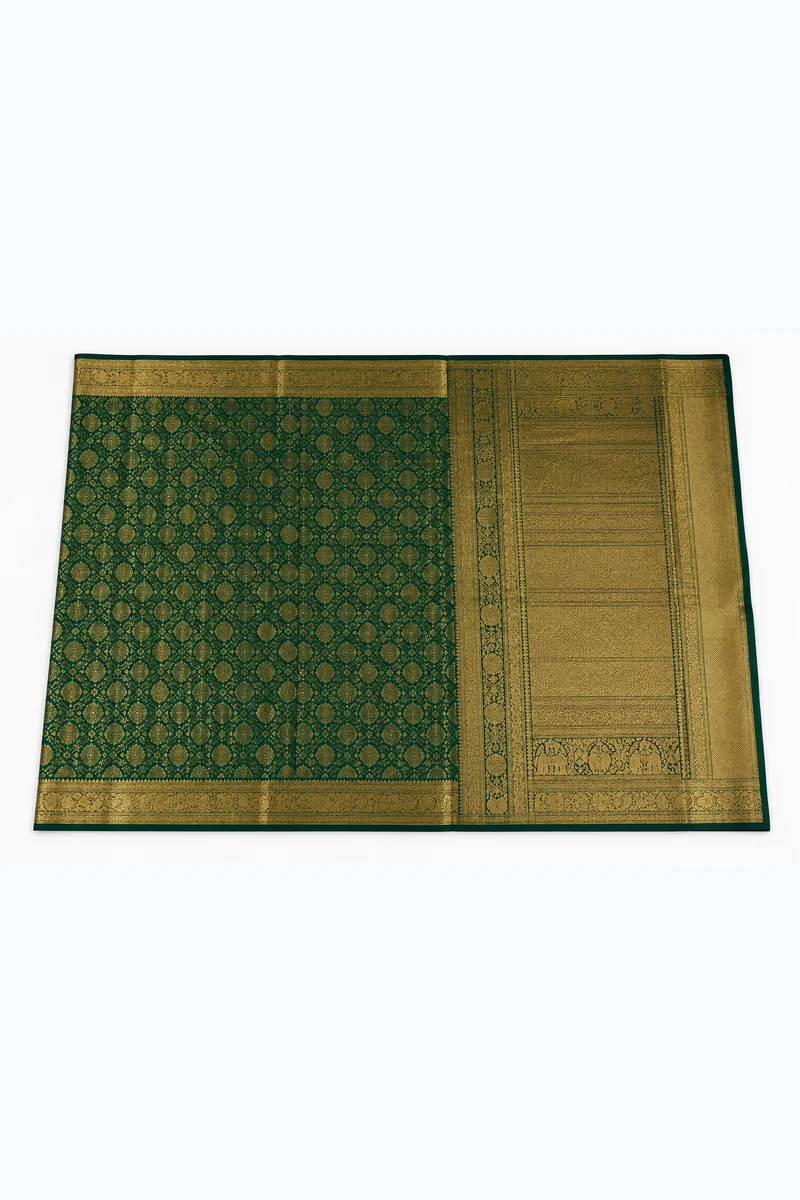
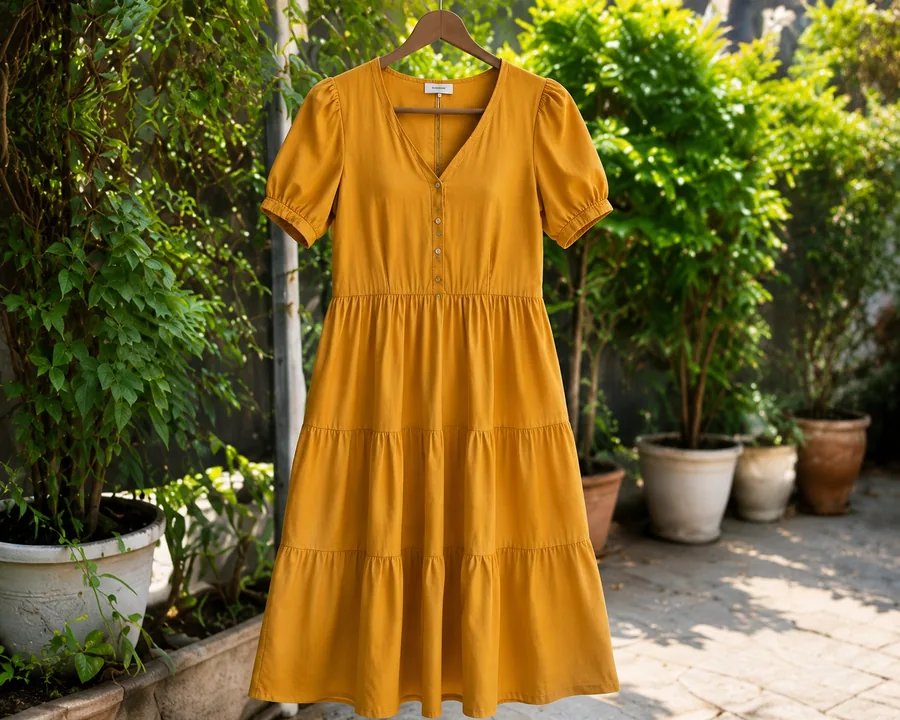
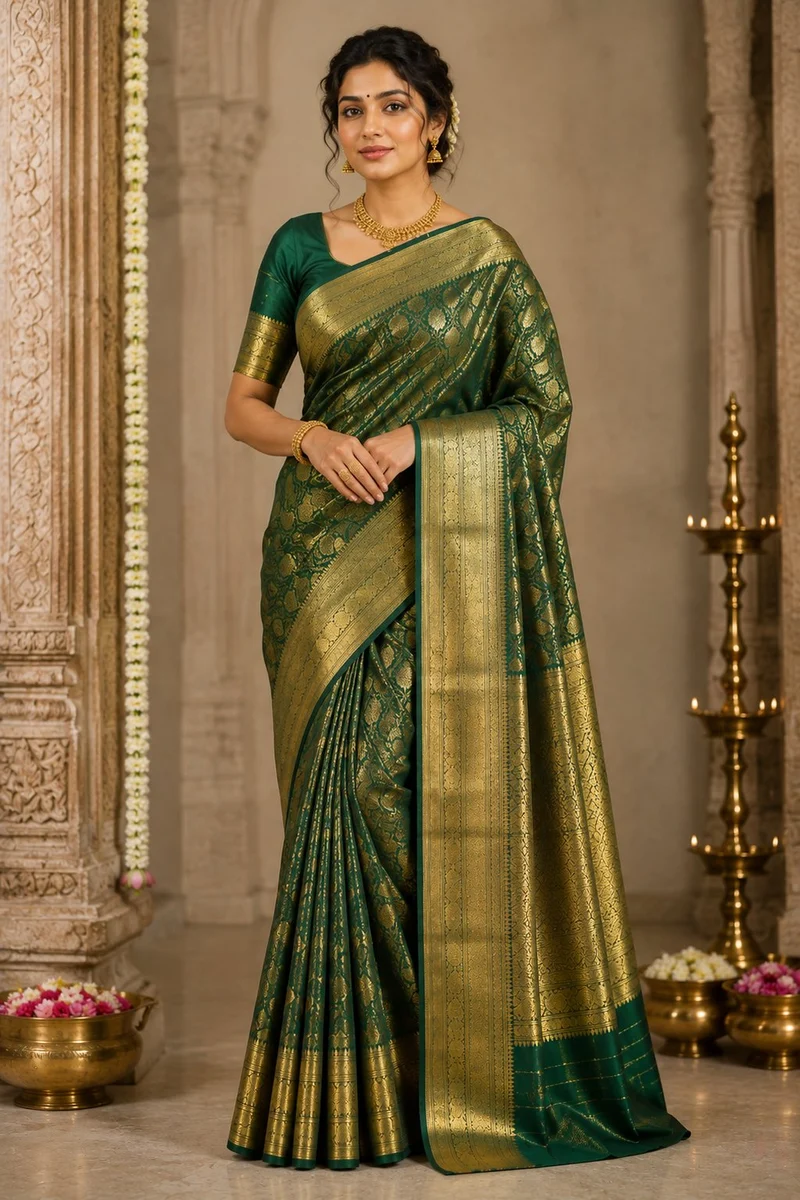
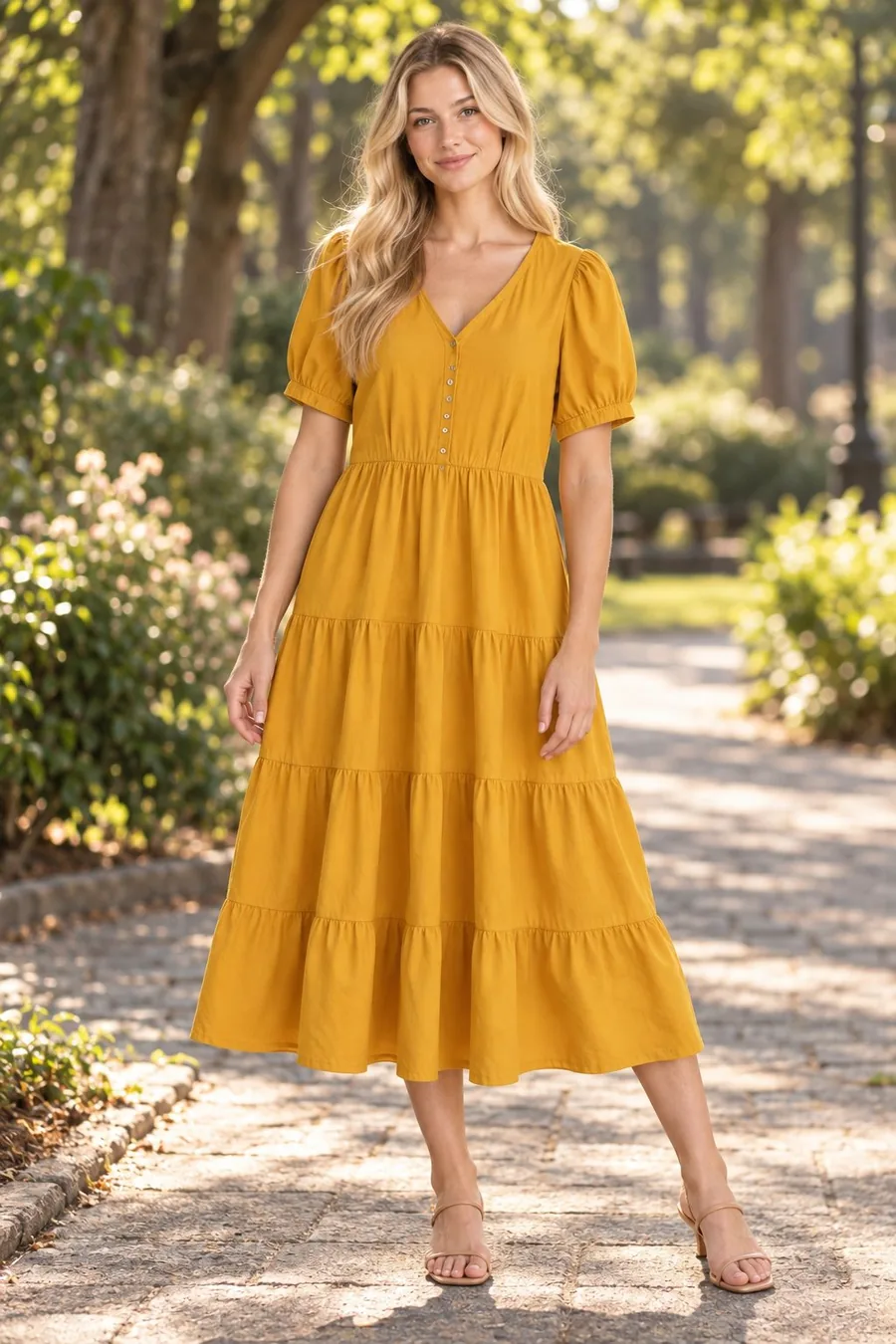
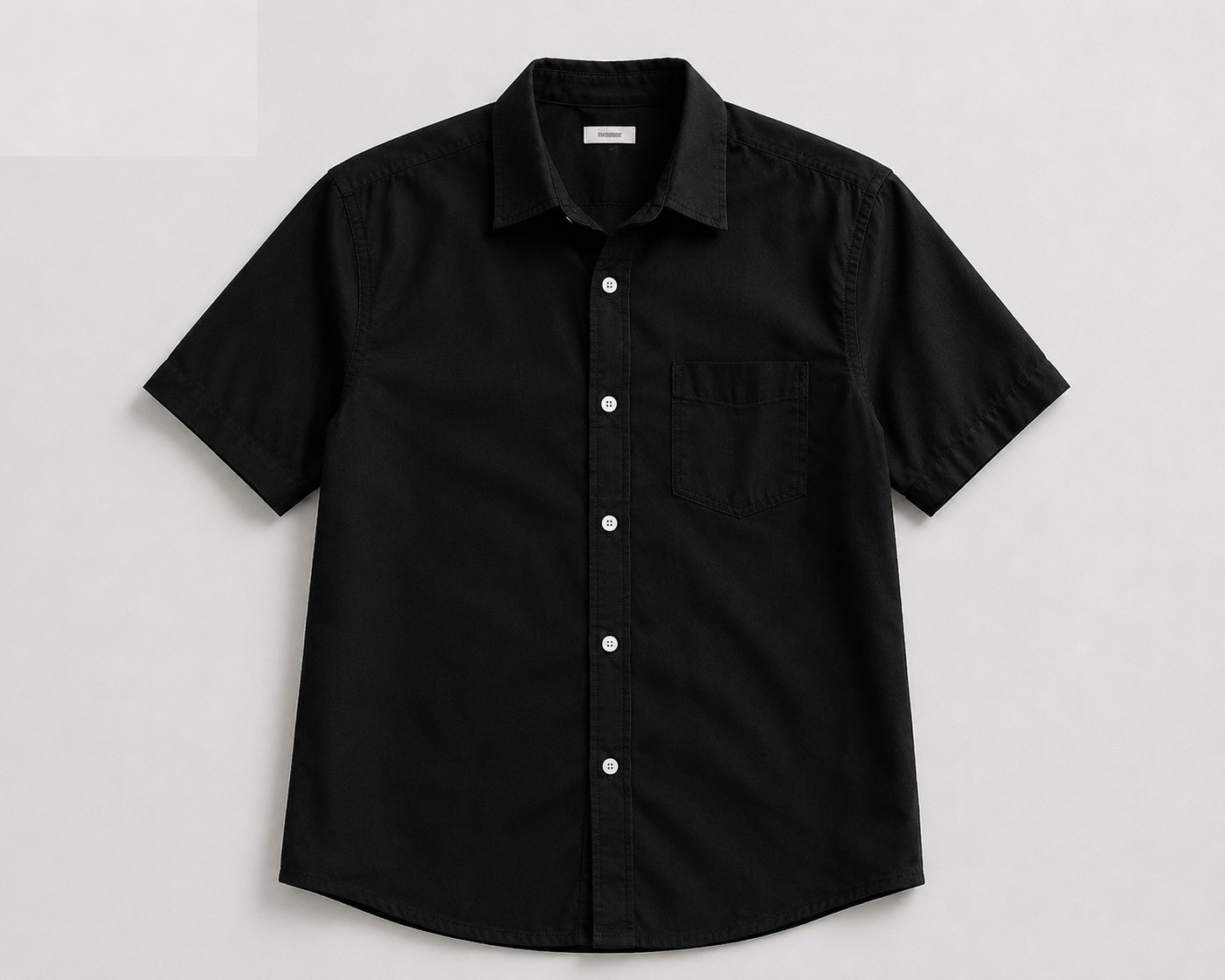
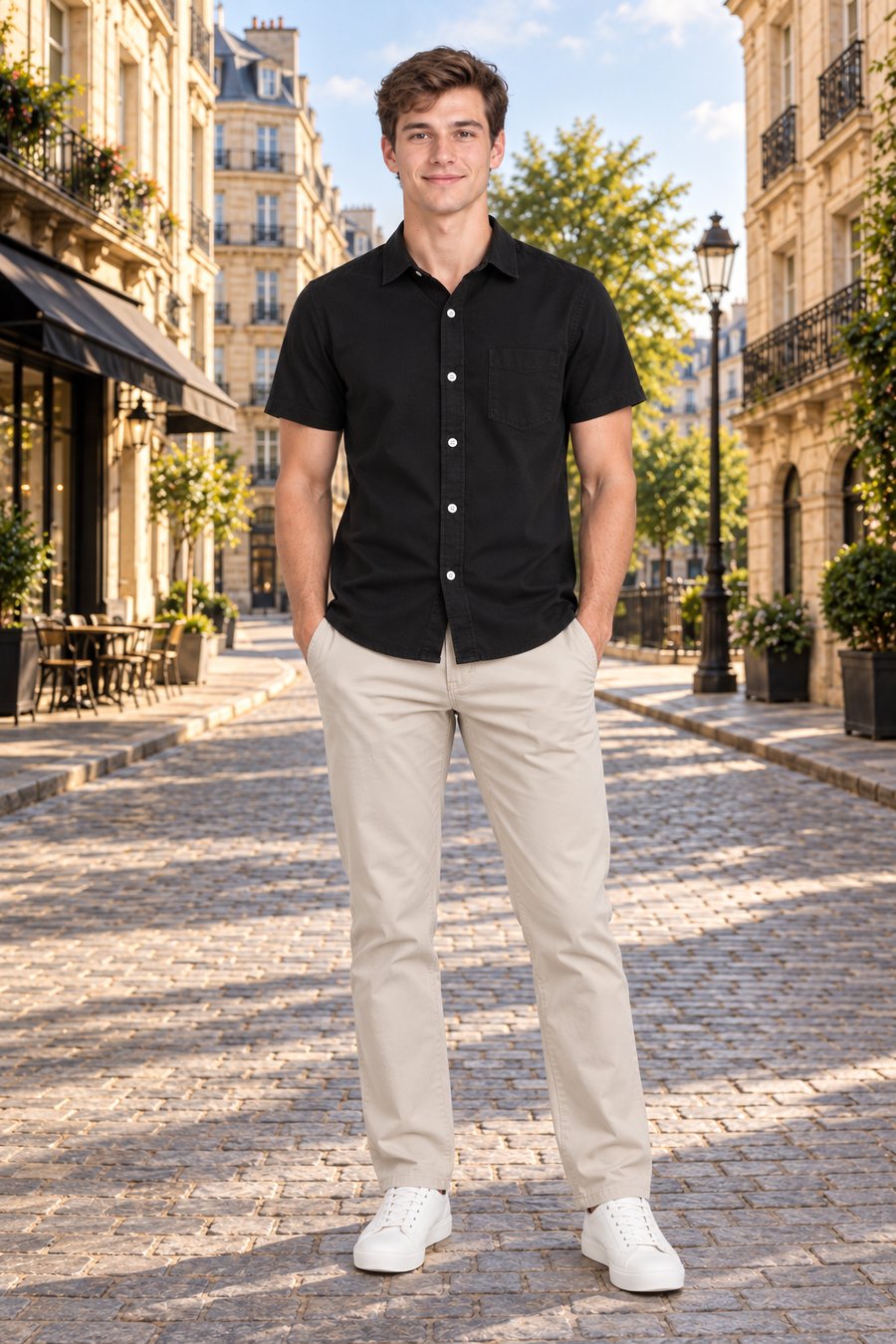
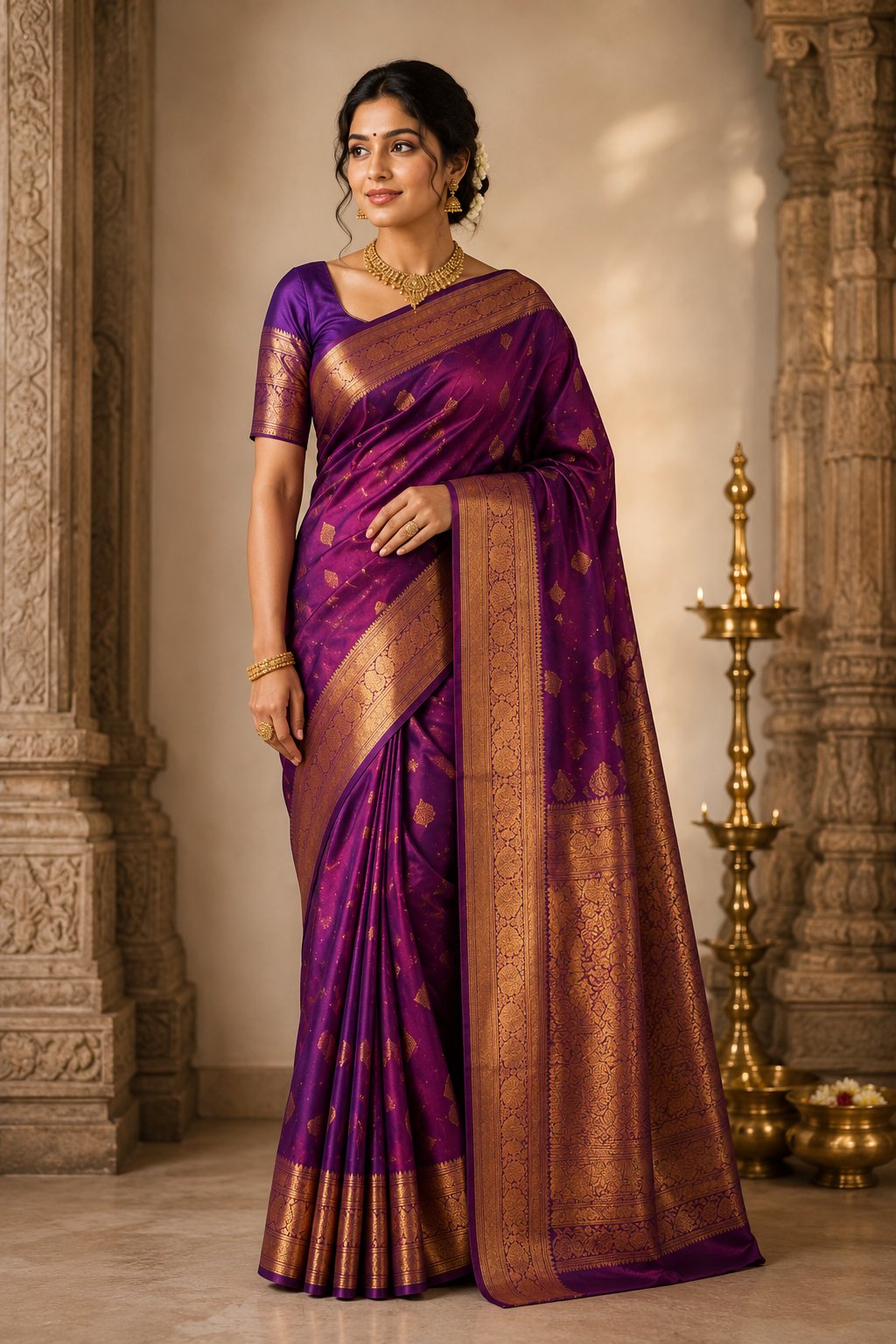
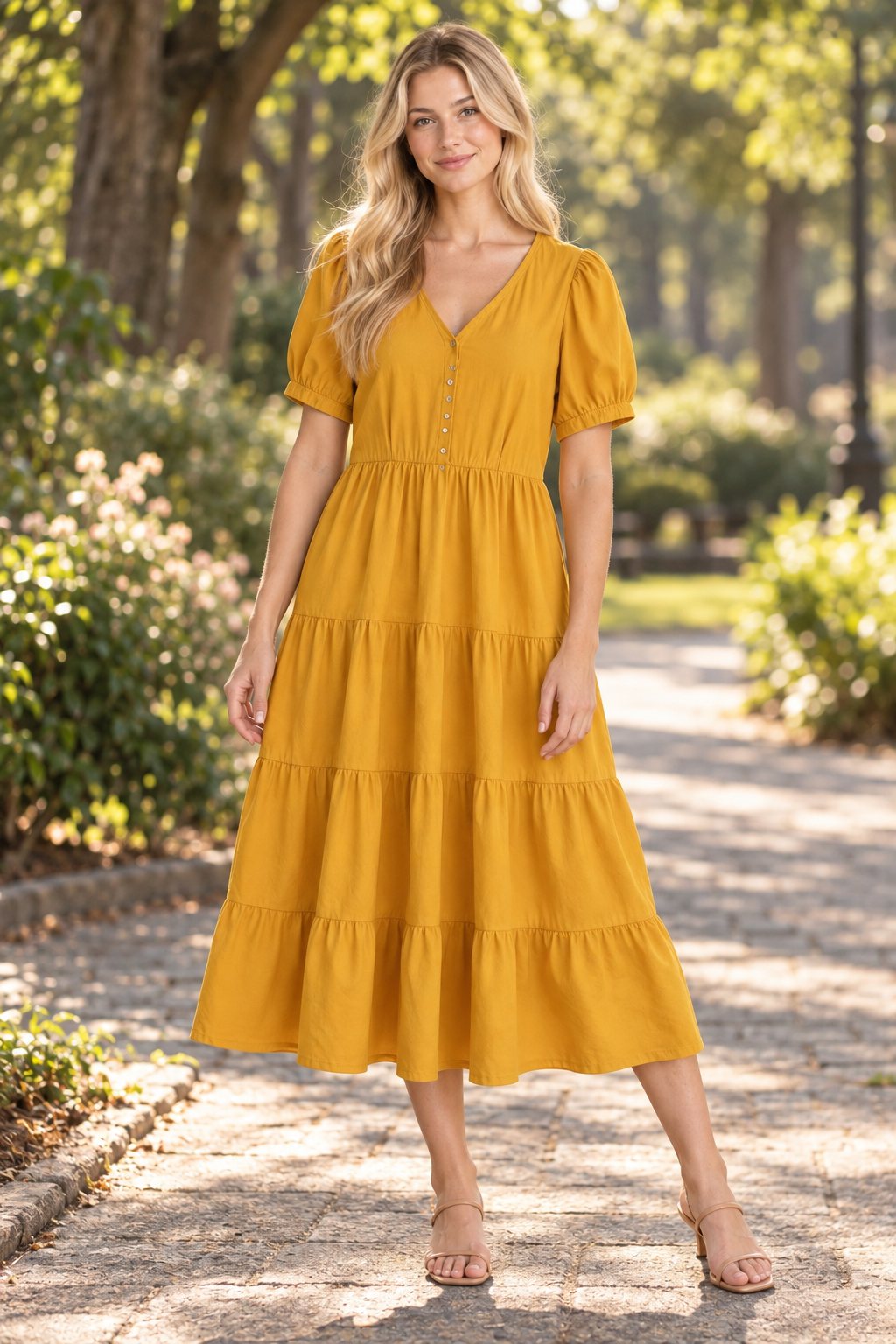
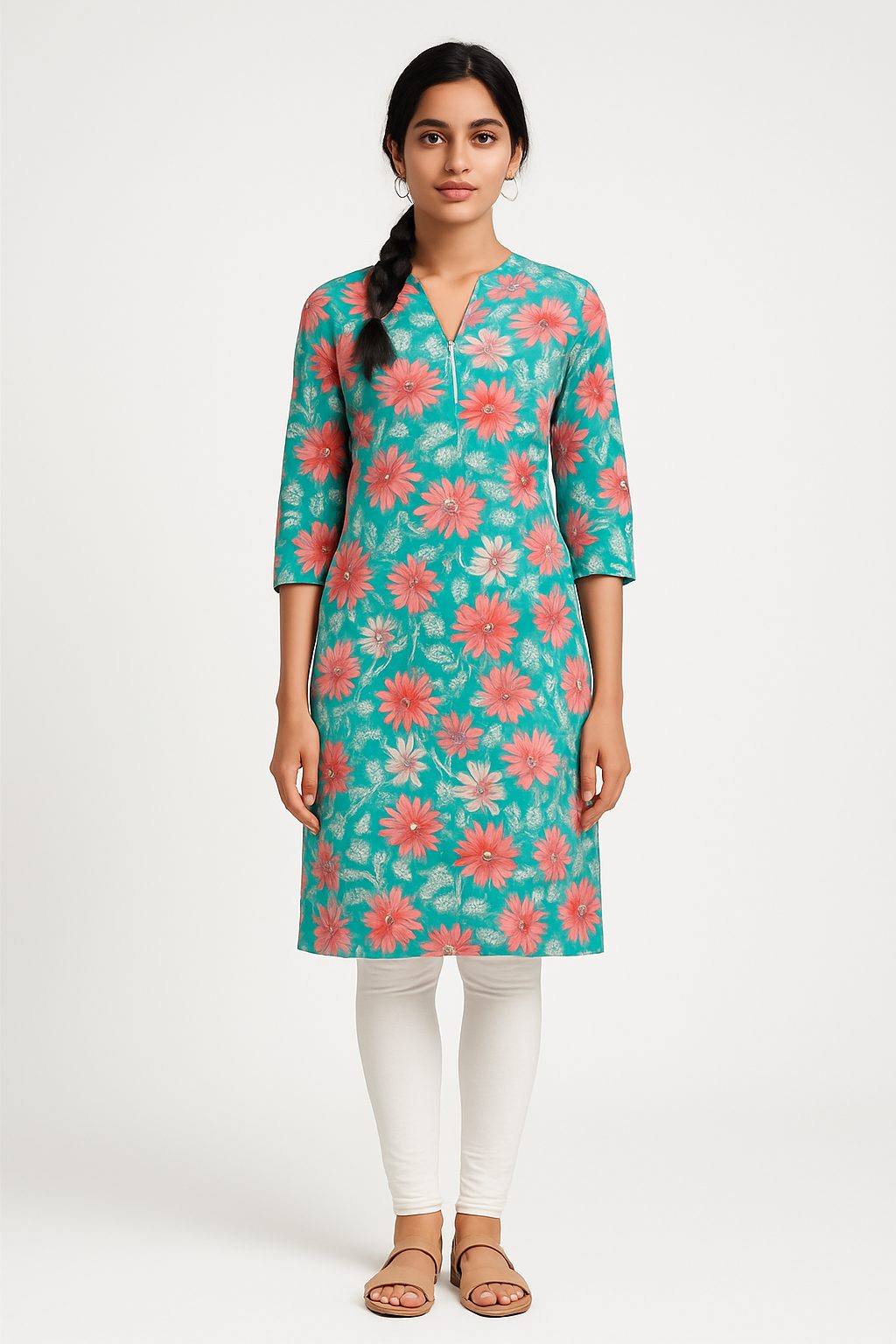
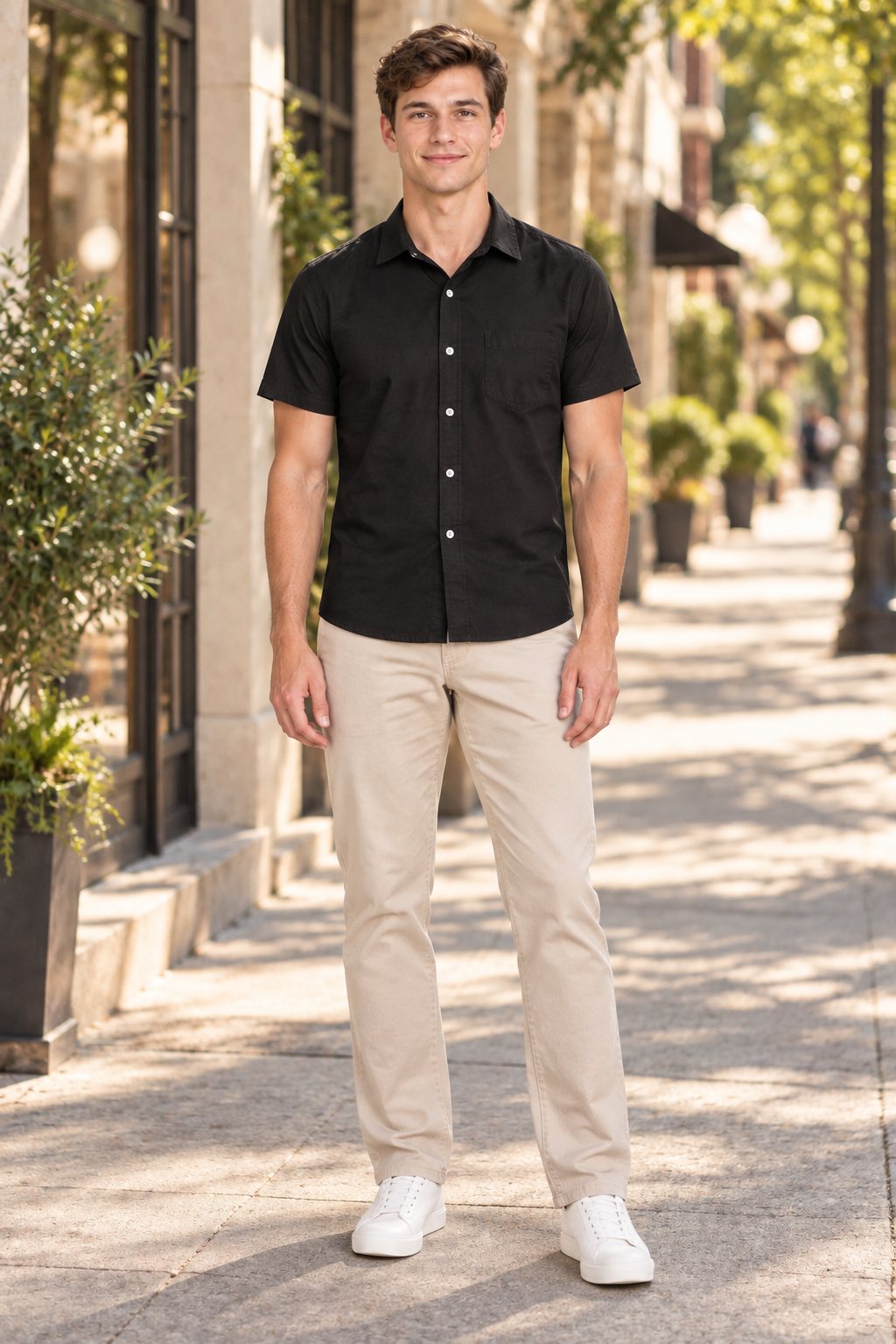
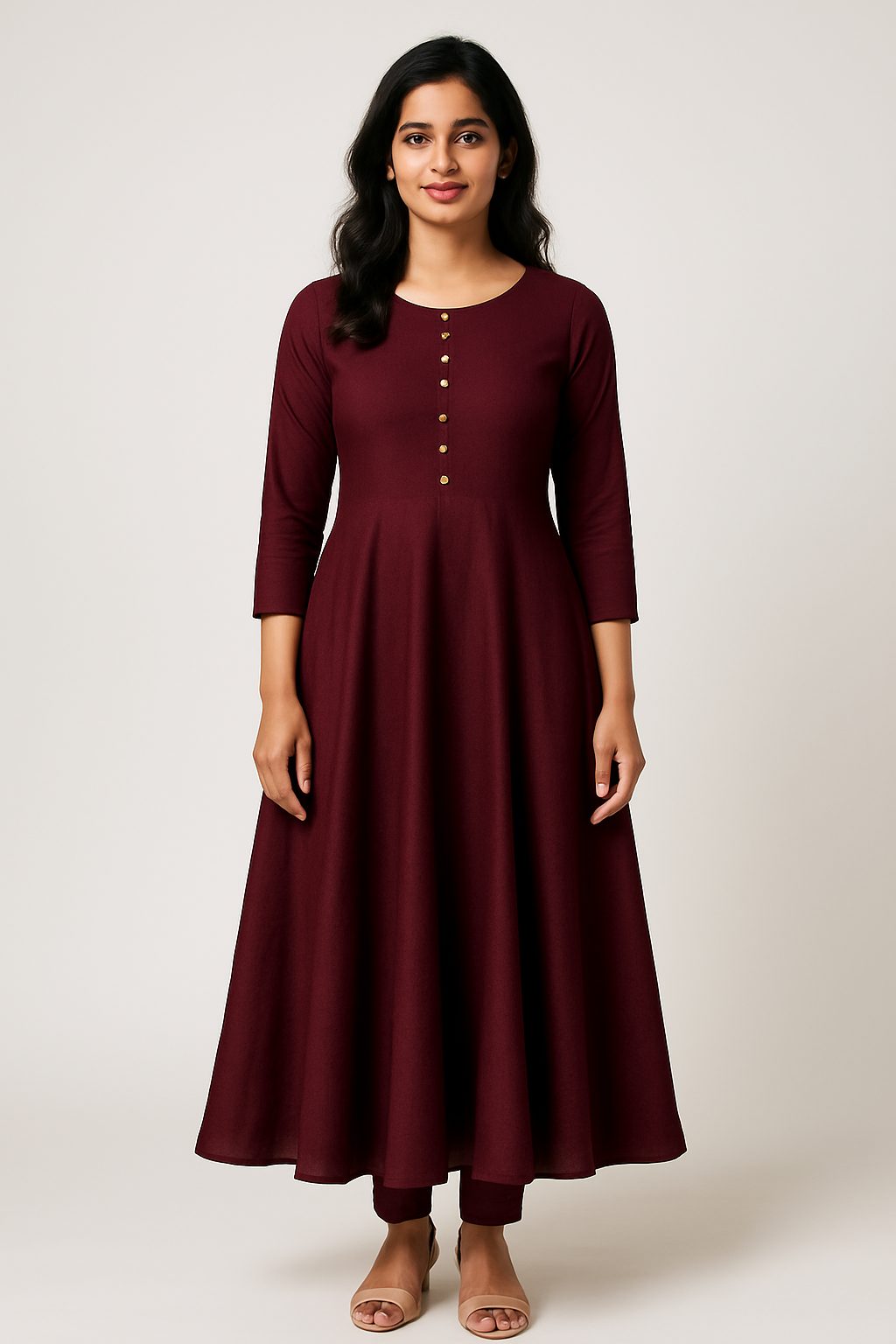
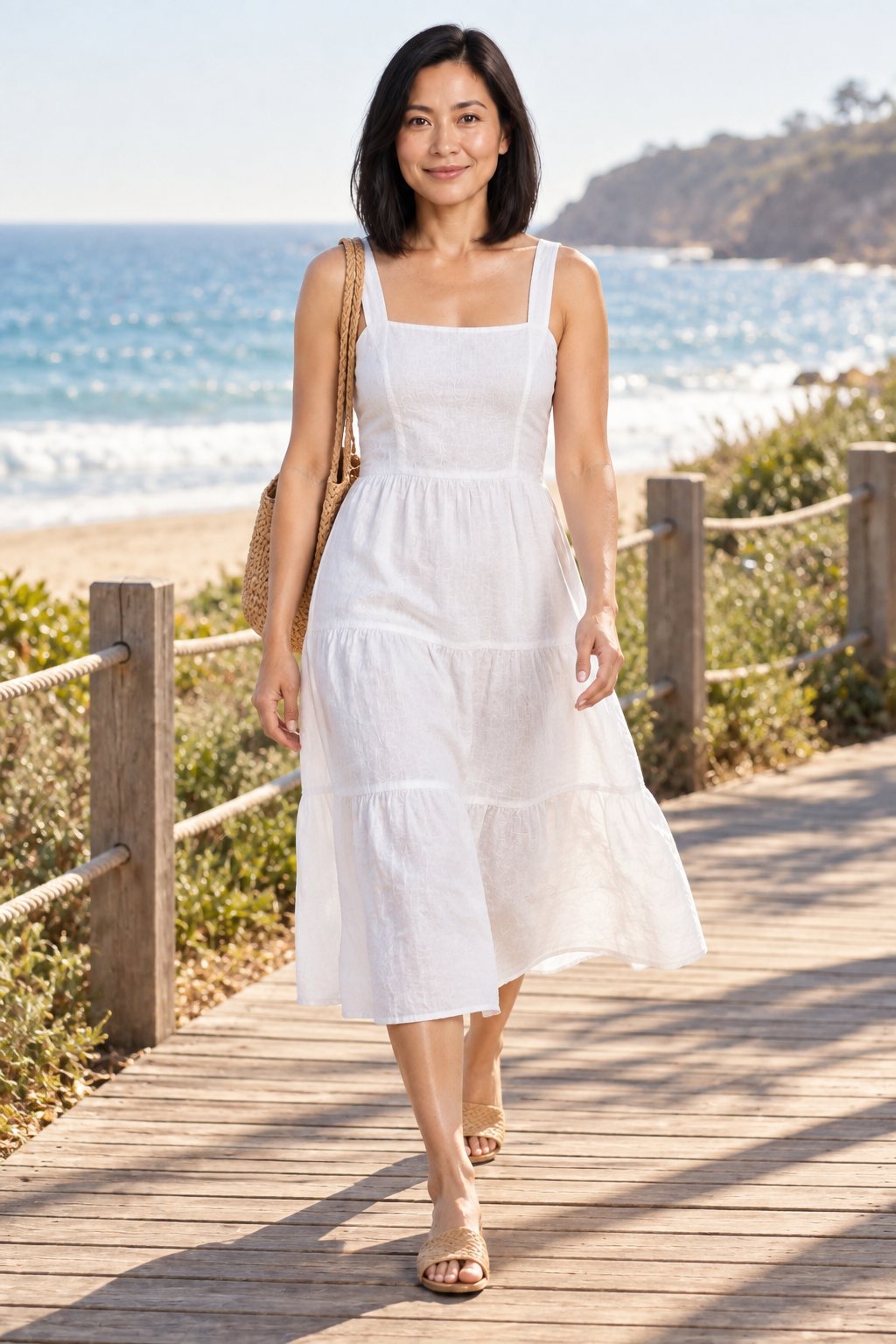
There are two very different things sold under the label "AI fashion photography", and confusing them is expensive. The first is text-to-image generation: you describe a garment, the model invents one, and you get a beautiful photograph of clothing that does not exist. The second is virtual try-on: you supply a photograph of a real garment and the model renders that specific garment on a person.
For a seller, only the second one is usable. A generated garment looks wonderful and will not match the parcel you post — the neckline drifts, the print resolves differently, the border on a saree becomes a border the weaver never made. Listing an invented garment is a misrepresentation, it generates returns, and on marketplaces that require listing images to show the real product it puts the account at risk.
CatalogX is built on the second approach. The garment photo you upload is the source of truth for what the fabric looks like, and the model's job is to show it worn rather than to reimagine it.
Why colour accuracy is the whole game
Colour is the failure that costs real money. A buyer who receives a kurti two shades off from the listing photo returns it, and that return costs the shipping both ways plus the listing's rating. Generic image models drift colour constantly — they treat a colour as a description to re-render rather than a value to preserve, so a specific teal comes back as an approximate teal.
That drift is the single most common complaint sellers have about AI catalog tools, and it's why colourway accuracy gets special handling here rather than being left to chance. If you sell the same style in eight colours, eight near-misses is eight sets of returns.
Fit details that give AI away
Beyond colour, a handful of details separate a usable catalog image from an obvious fake — and they're the ones ethnic wear exposes fastest:
- Hem length — where a kurti ends relative to the knee is a size signal buyers read carefully. A hem that drifts changes the garment's category.
- Drape and pleating — saree pleats and pallu direction follow rules. Getting them wrong is instantly visible to the customer base that buys sarees.
- Border and print continuity — a border must run unbroken around the garment. Generic tools reliably break it at the seams.
- Fabric weight — chiffon and heavy silk fall differently. A model that renders everything as the same medium-weight cotton flattens exactly the distinction you're selling.
These are also the reasons a tool that performs well on a plain western t-shirt can fall apart on a lehenga. If ethnic wear is your catalog, that's the test to run before you commit.
What to upload
A flat lay or hanger shot of the garment, whole thing in frame, shot square-on in even light. A phone camera is genuinely enough — what matters is that the photo actually contains the detail you want reproduced. The model cannot recover a print it cannot see, so a blurry or badly lit input produces an approximate result no matter which model runs it. Smooth heavy creases first, or run unwrinkle, since folds get carried through into the worn render.
Check every output against the physical garment before it goes live. That habit catches the occasional miss, and it's the same discipline that keeps you compliant with marketplace rules requiring listing images to represent the real product.
Where it fits with everything else
On-model is the format most fashion marketplaces want for the main image — and for adult apparel on Amazon US it's the only accepted option, which is why a flat lay or ghost mannequin alone won't get an adult clothing listing live there. The usual complete listing is an on-model main image, a ghost mannequin or flat lay in the secondary slots for the clean garment view, and detail crops for fabric and trim. All three come from the same source photograph.