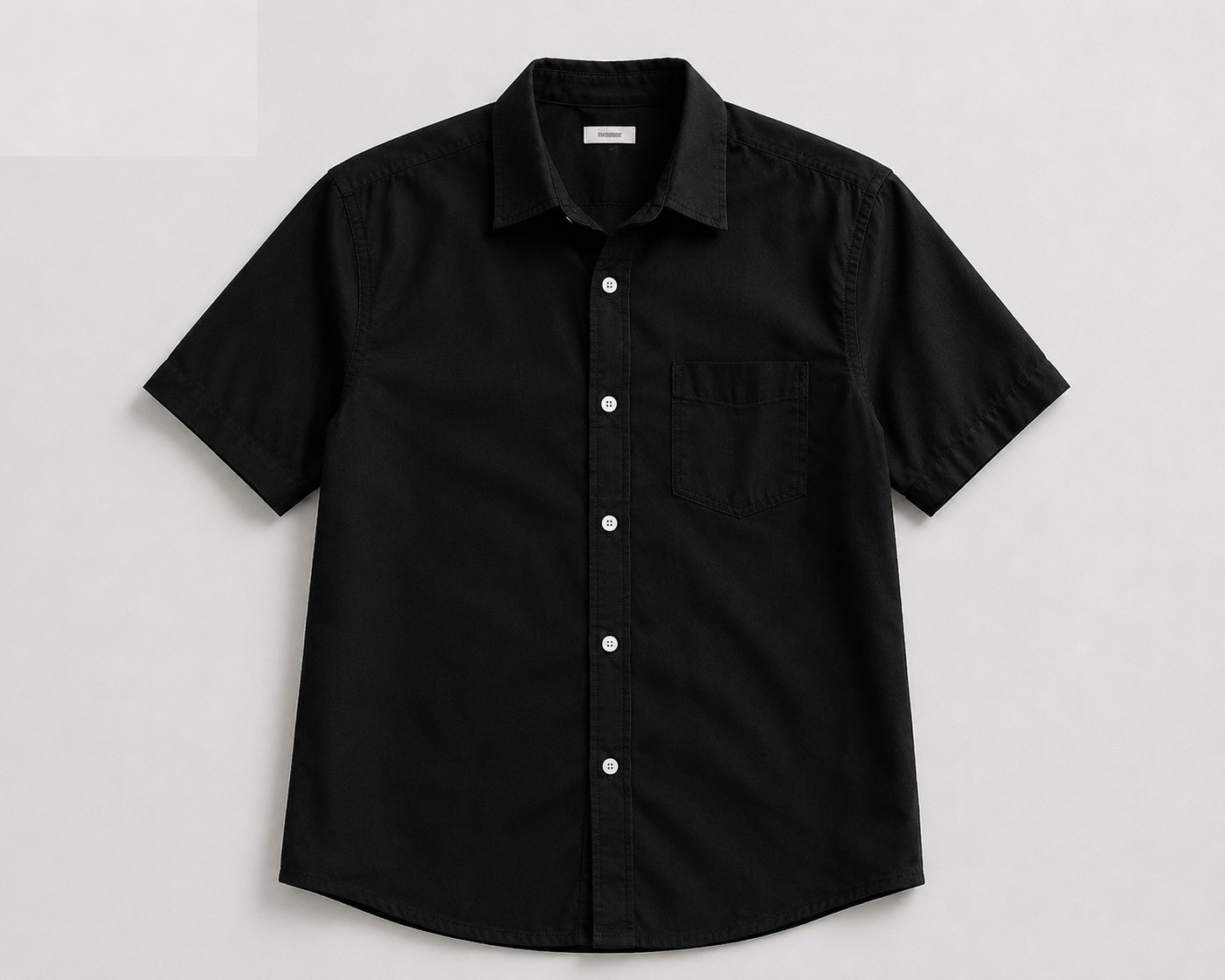
Every e-commerce seller faces this decision: should product images feature a model, or is a clean flat-lay enough? The answer matters more than most brands realize — your product image format directly impacts click-through rates, time on page, and conversion.
What the Data Says
Research from major e-commerce platforms consistently shows that model shots outperform flat-lays for fashion products. Here's what the numbers look like:
- Click-through rates: Product listings with model images see 20-40% higher click-through rates compared to flat-lay images on platforms like Amazon, Etsy and Flipkart.
- Conversion rates: Model shots drive 15-25% higher conversion rates on average. Shoppers can visualize how the garment fits and drapes on a real body.
- Return rates: Products shown on models have 20-30% lower return rates — because buyers have more accurate expectations about fit and appearance.
- Time on page: Listings with model images hold attention longer, with shoppers spending more time examining the product from different angles.
The Psychology Behind Model Shots
Why do model shots convert better? It comes down to three psychological effects:
- Self-projection: When shoppers see clothing on a person, they mentally project themselves into that image. A flat-lay doesn't trigger this. This is why choosing the right model — one that resembles your target audience — matters so much.
- Fit communication: A garment on a hanger or table tells you nothing about how it sits on shoulders, how it drapes at the waist, or how long it falls. A model image communicates all of this instantly.
- Perceived value: Model photography signals higher production value. Brands that use model shots are perceived as more professional, more trustworthy, and higher quality — even if the actual product is identical.
When Flat-Lays Work
Flat-lay images aren't useless. They serve specific roles in a product listing:
- Detail shots: Close-up flat-lays are great for showing fabric texture, print detail, stitching quality, and embellishments.
- Color accuracy: Flat-lays on a white background often give the most accurate color representation, free from lighting and shadow effects that model shots introduce.
- Secondary images: The best product listings use model shots as the primary image and flat-lays as supporting images. The combination performs better than either alone.
- Social media: Flat-lay "outfit of the day" posts and grid aesthetics have their own appeal on Instagram and Pinterest.
Upload your garment and get a studio-quality AI mockup in 30 seconds. 5 free credits, no card needed.
Try Free Now →
The Cost Problem
Most brands don't use flat-lays by choice — they use them because model photography is expensive. Hiring models, renting studios, and managing photoshoots costs 10-20x more than arranging a flat-lay.
This creates a competitive disadvantage: brands that can afford model photography sell more, which gives them more revenue to invest in better photography, creating a flywheel that leaves smaller brands behind.
How AI Levels the Playing Field
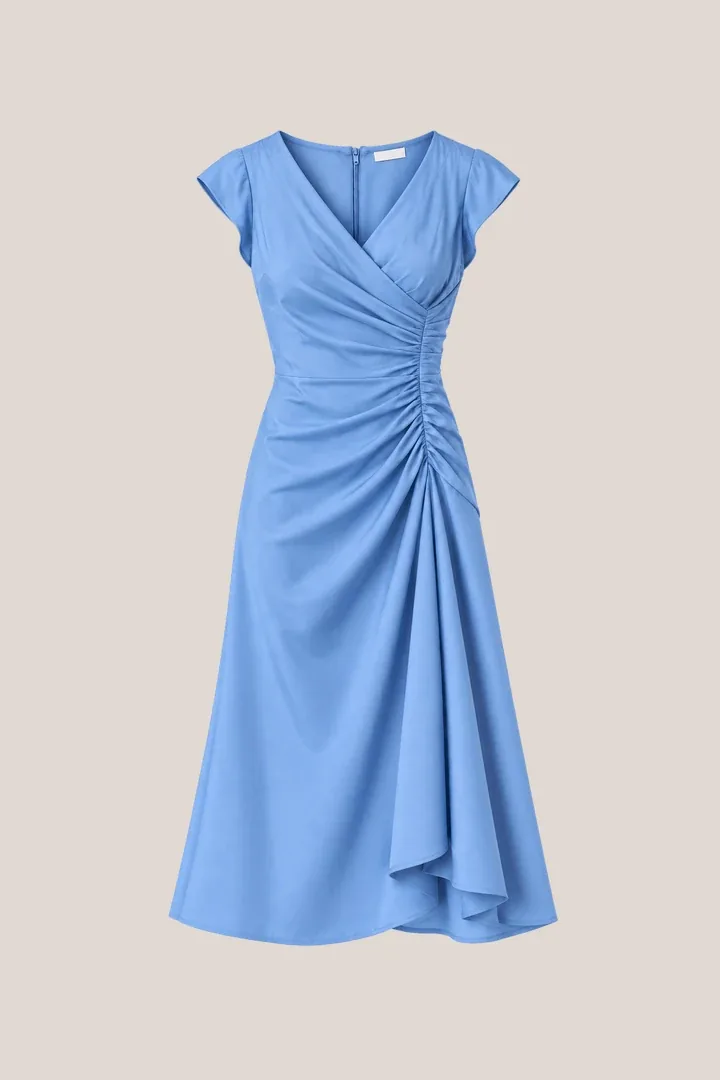
AI-generated model shots eliminate the cost barrier entirely. With tools like CatalogX, you can:
- Take a simple garment photo (flat-lay, hanger, or mannequin) and generate a photorealistic model shot
- Use the same model consistently across your entire catalog for brand consistency
- Generate multiple poses and angles from a single garment image
- Test different backgrounds and settings without reshooting
The result: a small D2C brand with 100 SKUs can have the same quality of product imagery as a brand spending lakhs on photography — at 5% of the cost.
The Ideal Product Image Strategy
Based on platform data and buyer behavior, here's the optimal approach:
- Primary image: Model shot — front-facing, clean background, full-body or three-quarter
- Image 2: Model shot — different angle (45-degree or side view)
- Image 3: Close-up detail — fabric texture, print, embellishment
- Image 4: Model shot — lifestyle/contextual background
- Image 5: Flat-lay or size chart for reference
With AI mockup tools, generating images 1, 2, and 4 is fast and affordable. You only need to physically photograph the garment once for the detail shot and flat-lay.
The Bottom Line
Model shots sell more than flat-lays — the data is clear. The question was never whether model photography is better, but whether brands could afford it. AI has removed that barrier. If you're still using flat-lays as your primary product images, you're leaving revenue on the table.
Related Articles
- How to Photograph Sarees and Kurtas Without a Model
- Choosing the Right Pose, Angle and Background for Your Product Photos
- Why Product Photography Is So Expensive for Fashion Brands
Frequently Asked Questions
Yes, model-on images consistently outperform flat-lays in e-commerce. Data shows 20-40% higher click-through rates and 15-25% better conversion rates with model photography. Shoppers can better visualize fit, draping, and how the garment looks when worn, which reduces purchase hesitation and return rates.
Flat-lays work well for accessories, folded knitwear, and products where construction detail matters more than fit. They are also suitable for secondary listing images showing the garment laid out with styling accessories. For primary images on marketplaces, model shots are almost always the better choice for conversion.
Yes, AI virtual try-on tools generate photorealistic model-on images from flat-lay or mannequin photos of your garment. Tools like CatalogX let you choose from multiple AI models and poses, producing images that look like professional studio photography. This eliminates the need to hire models, book studios, or coordinate photoshoots.
Myntra requires model-on photography because their data shows it drives higher engagement and lower returns. Customers browsing Myntra expect to see how garments look when worn. Listings with professional model shots rank higher in Myntra's search algorithm and get more visibility in category browsing pages.
Traditional model photography costs Rs 500-2,000 (about $6-$24) per image including model fees, studio rental, photographer charges, and post-production. A full catalog of 100 products costs Rs 2-5 lakh (about $2,400-$6,000)s. AI-generated model shots cost Rs 15-40 (about $0.20-$0.50) per image, reducing costs by 90-95% while producing comparable quality results.