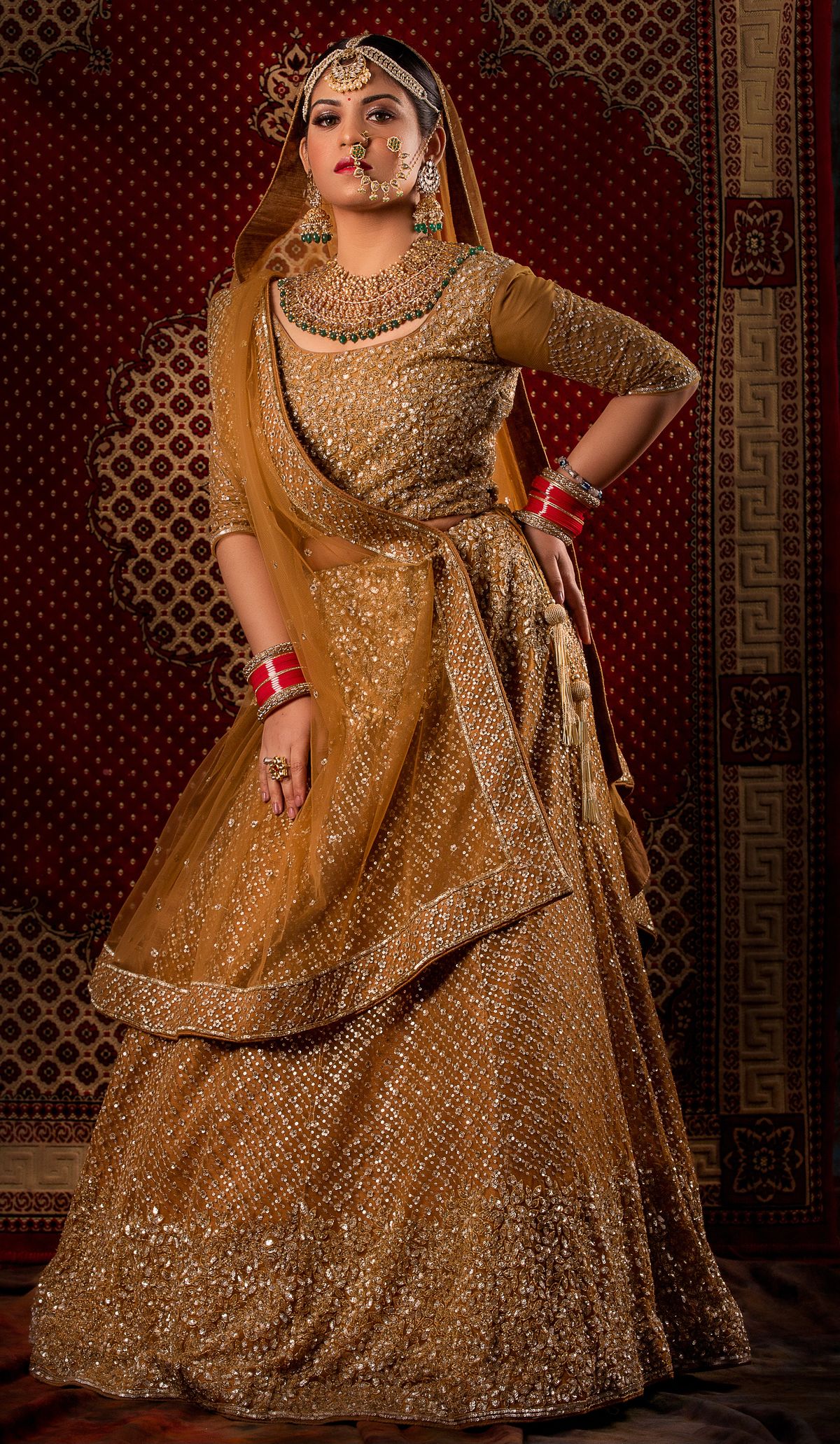
The 2026 festive selling window runs roughly seven weeks: Dussehra on October 20, Diwali on November 8, and wedding season opening immediately after. Ethnic wear is the hardest catalog in Indian fashion to photograph on schedule — draped garments shoot at 8–15 SKUs a day against 20–35 for ready-to-wear, because a saree takes ten to fifteen minutes to drape properly every single time. The plan that works: photograph each piece flat once, generate the on-model shots, keep one model across the collection so the catalog reads as a collection, and reuse the same source photos for marketplace listings, Instagram and the WhatsApp wholesale leaflet.
Seven weeks, three selling moments
The festive arc is not one deadline but three, and they want different things from the same catalog:
| Moment | 2026 date | What sells | Images needed by |
|---|---|---|---|
| Dussehra / Navratri close | October 20 | Festive daywear — kurta sets, co-ords, chaniya choli | Early October |
| Diwali | November 8 | The rich end — silk sarees, heavy kurtas, gifting | Late October |
| Wedding season | From mid-November | Lehengas, sherwanis, bridal-adjacent | Early November |
The marketplace sales complicate the first column: Flipkart's Big Billion Days opens October 9 and Amazon's Great Indian Festival October 8, so the festive daywear images are really due in the first days of October — that sprint has its own checklist. The useful consequence of planning all three moments at once: you photograph the collection once and release it in waves, instead of running three panicked shoots.
Why ethnic wear breaks shoot schedules
The economics of a festive shoot are dominated by one number: SKUs per day. From our India cost breakdown — flat-lay work runs 40–80 SKUs a day, single-look on-model 20–35, and draped ethnic wear just 8–15, because every saree is ten to fifteen minutes of draping before the first frame and a lehenga's dupatta has to be set for every pose change.
At 8–15 a day, a 60-piece festive saree collection is four to seven shoot days — ₹1,00,000+ all-in at mid-market rates before retouching, and two to three weeks of elapsed time you may not have. This is precisely the catalog where flat-photograph-then-generate changes the calendar: the flat photos of 60 sarees are one to two days of phone work, and the draping problem moves to the generation step, where pleats, pallu and fall are rendered from your garment's actual pixels and the hem is measured from your photo before anything is generated.
One model, whole collection
Open any large brand's festive page and notice what makes it read as a collection rather than an inventory dump: the same face, the same handful of poses, consistent framing. A catalog where every listing shows a different person photographed differently reads as resale.
Generated catalogs get this consistency for free if you use it: pick one model and stay with them across the collection. CatalogX carries 114 AI models including a styled Indian editorial set; a custom model takes it further — one face of your choosing across every SKU, this season and next. Poses can be pinned the same way: a pose reference repeats one stance across the whole drop.
Backgrounds are the festive variable. The main marketplace image stays white — that's a spec, not a taste — but the secondary slots and Instagram want warmth: deep tones, warm light. CatalogX ships 111 backgrounds, and custom backgrounds let a boutique shoot the whole collection against its own store. Resist the obvious mistake of a different festive backdrop per SKU — one or two backgrounds across the collection, or the coherence is gone.
Colourways: the festive multiplier
Festive stock is colour stock — the same kurta set bought in rani pink, maroon and gold, the same saree in five colours from one supplier. Each colourway is a separate listing needing its own images, which is how a 50-style festive catalog quietly becomes 150 listings.
Color Variants generates the colour row from one photographed piece, keeping model, pose and framing identical across colours — the row of thumbnails buyers swipe through looks deliberate instead of assembled. One caution from our own testing: colour fidelity is the hardest problem in AI product imagery, so check the generated colourway against the physical garment before listing, especially golds and deep reds, where a shade off is a return.
The WhatsApp leaflet: festive wholesale's actual currency
For wholesalers, resellers and boutique suppliers, the festive season runs on WhatsApp — and the unit of commerce is the leaflet: hero shot, design number, fabric, colourways, rate, contact. Forwarded from group to group, it is the catalog.
CatalogX's Leaflet composes exactly that card at 1080x1620 from your own product pixels — hero image, brand block, D.NO., fabric rows, colourway chips, WhatsApp footer — free, with no credits and no limit, on every plan. Shoot once: the same generated model shot feeds the Flipkart listing, the Instagram post and the leaflet. The setup side of WhatsApp selling is covered in our boutique WhatsApp guide.
The festive production plan, end to end
- Last week of September: lock the festive assortment and colourways. Order any missing samples now — a sample stuck in transit is the one delay no tool fixes.
- First week of October: flat-photograph everything. Daylight, phone, garment laid flat or on a hanger; back photos too if you sell back-heavy pieces like lehenga cholis — back views come from your back photo, never from AI imagination.
- By October 3–4: generate and list the daywear wave for the marketplace sales (BBD October 9, AGIF October 8).
- Mid-October: generate the Diwali wave — the silk and the heavy pieces — one model, one or two backgrounds, colourways included. Compose leaflets for the wholesale side.
- Late October: wedding-season wave — lehengas and sherwanis, same model for continuity with the Diwali drop. Our wedding wear guide covers the garment-specific details.
- Throughout: one Project per wave, SKU filenames preserved, manifest.csv in the export ZIP — so the person doing the listings is never matching images to SKUs by eye.
Selling the festive story to NRI buyers abroad instead? That's a different playbook — timelines, sizing copy and marketplaces — covered in our Diwali guide for US boutiques.
Frequently asked questions
Dussehra falls on October 20, 2026 and Diwali on November 8, 2026, with wedding season opening from mid-November. Flipkart's Big Billion Days (October 9) and Amazon's Great Indian Festival (October 8) land just before Dussehra. Dates verified 26 September 2026.
On a traditional shoot, 8–15 draped SKUs a day is realistic — each saree takes ten to fifteen minutes to drape properly before the first frame. Flat-photographing the same sarees for AI generation runs 40–80 a day, which is what makes a 60-piece collection feasible in the festive window.
This is exactly where tool choice matters. CatalogX measures the garment from your photo before generating — hem, pleats, pallu anchored to your pixels — and runs dedicated playbooks for drape-heavy ethnic wear rather than treating a saree as a dress. Check embroidery-heavy pieces against the physical garment before listing.
Secondary images and social posts, yes — warm, deep-toned backgrounds sell the occasion. The main marketplace image stays pure white on Amazon and Flipkart regardless of season; that is a spec, not a style choice. Keep to one or two backgrounds across the collection so it reads as a collection.
The forwarded catalog card that wholesale and reseller commerce runs on: hero shot, design number, fabric, colourways, rate, contact, composed at 1080x1620. If any of your festive stock moves through WhatsApp groups, the leaflet is the listing. CatalogX composes them free on every plan, no credits.
For the full catalog, effectively yes — a booked shoot delivers in two to three weeks, which lands mid-October before retouching. It is not too late for one or two hero pieces. For the rest of the collection, flat photos plus generation compresses the same work into days.