
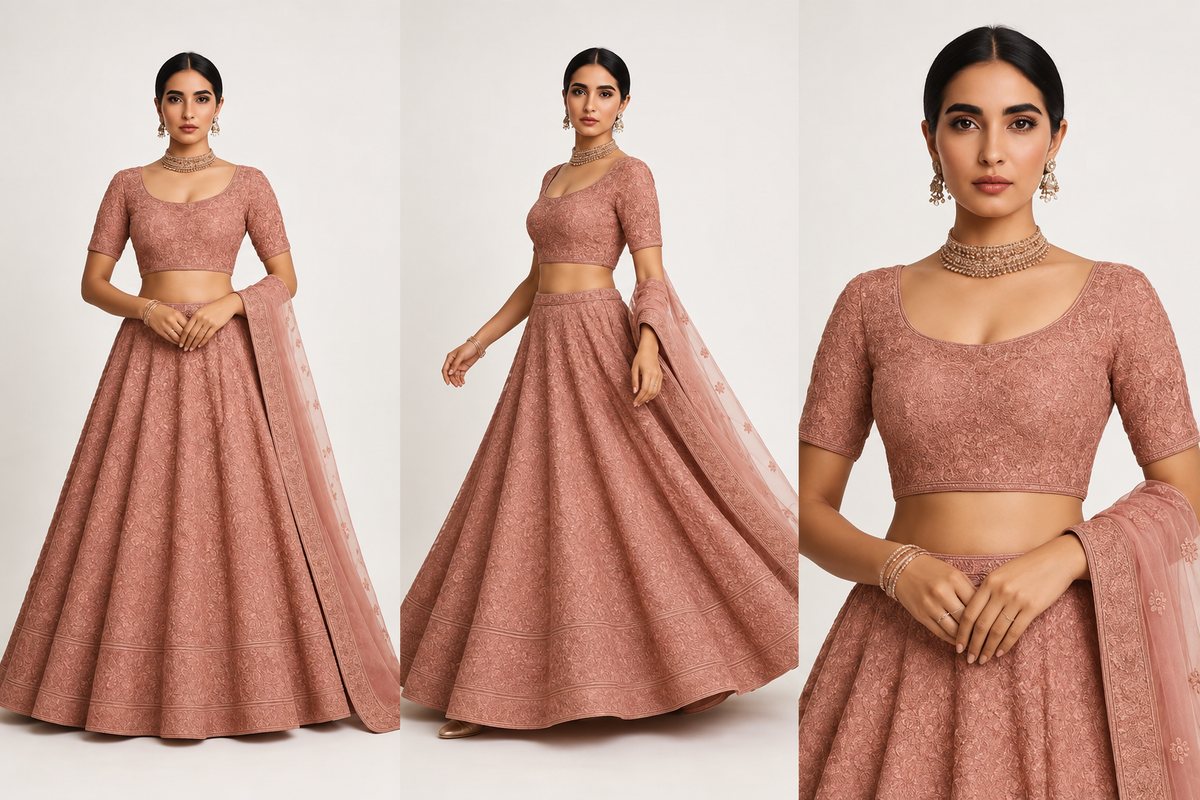
If you sell Indian ethnic wear in the US — a boutique in Edison or Fremont, an Etsy shop run from a spare room, an Instagram closet with a Shopify checkout — you already know when your year happens. It happens around Diwali. The weeks from early October through mid-November concentrate the parties, the pujas, the gifting and the "I need something new for the function" purchases that the other ten months only trickle in.
Diwali 2026 falls on November 8. That sounds far away in September. For your listings, it is not — because the buying starts weeks before the festival, and the photography has to be finished before the buying starts.
The Festive Drop Timeline, Working Backwards
US diaspora buyers do not shop for Diwali outfits during Diwali week. They shop three to six weeks out: they need shipping time, blouse stitching or alteration time, and a buffer in case the piece is not right. Add the lag before a new listing gets traction in Etsy or Amazon search, and the deadline structure looks like this:
| When | What Must Be Done |
|---|---|
| Mid-September | Festive inventory finalized; every hero piece photographed on a model |
| Late September | Listings written, galleries assembled, prices set |
| First week of October | All Diwali listings live and indexed; festive collection promoted on Instagram/WhatsApp |
| Mid-October onward | Peak orders; your job is fulfillment, not photography |
| November 8 | Diwali — last-minute local buyers only |
The step that breaks this timeline for most sellers is the first one. A US studio session starts around $300+ before model fees, and September is exactly when photographers and models book out — every brand is shooting holiday content at the same time. If you wait for a studio slot, "listings live in early October" quietly becomes "listings live in late October," and the season is half over.
This is the specific gap AI try-on closes. With CatalogX, a flat garment photo becomes a photorealistic on-model shot in about 30 seconds — so the "mid-September photography" line item is an afternoon at your kitchen table with the supplier photos you already have, not a session you have to book in August. The full cost math is in our AI vs studio photoshoot breakdown for US sellers.
Which Garments to Photograph First
Not every SKU deserves an on-model shot before October. Prioritize by what Diwali buyers actually search for:
- Lehengas. The highest-ticket festive purchase and the one buyers least trust from a flat-lay — flare and skirt volume simply do not read folded on a bedsheet. Every lehenga in your festive drop should lead with an on-model photo.
- Sarees. The classic Diwali-party garment for diaspora buyers, and the hardest to photograph traditionally because a model who can drape correctly is rare outside a few US metros. CatalogX renders the pleats, pallu direction and border continuity as the saree actually wears — see the saree photography guide for framing your source photo.
- Kurta sets and co-ords. The volume sellers — office Diwali parties, puja at a friend's house, gifting. Lower ticket, so the per-image economics of AI generation matter most here.
- Kids' ethnic wear. A real Diwali category, but handle it differently: CatalogX generates on-model photos for adult garments, so shoot kids' pieces as clean flat-lays. Conveniently, that is also what Amazon requires — children's apparel MAIN images should be flat product shots, not models.
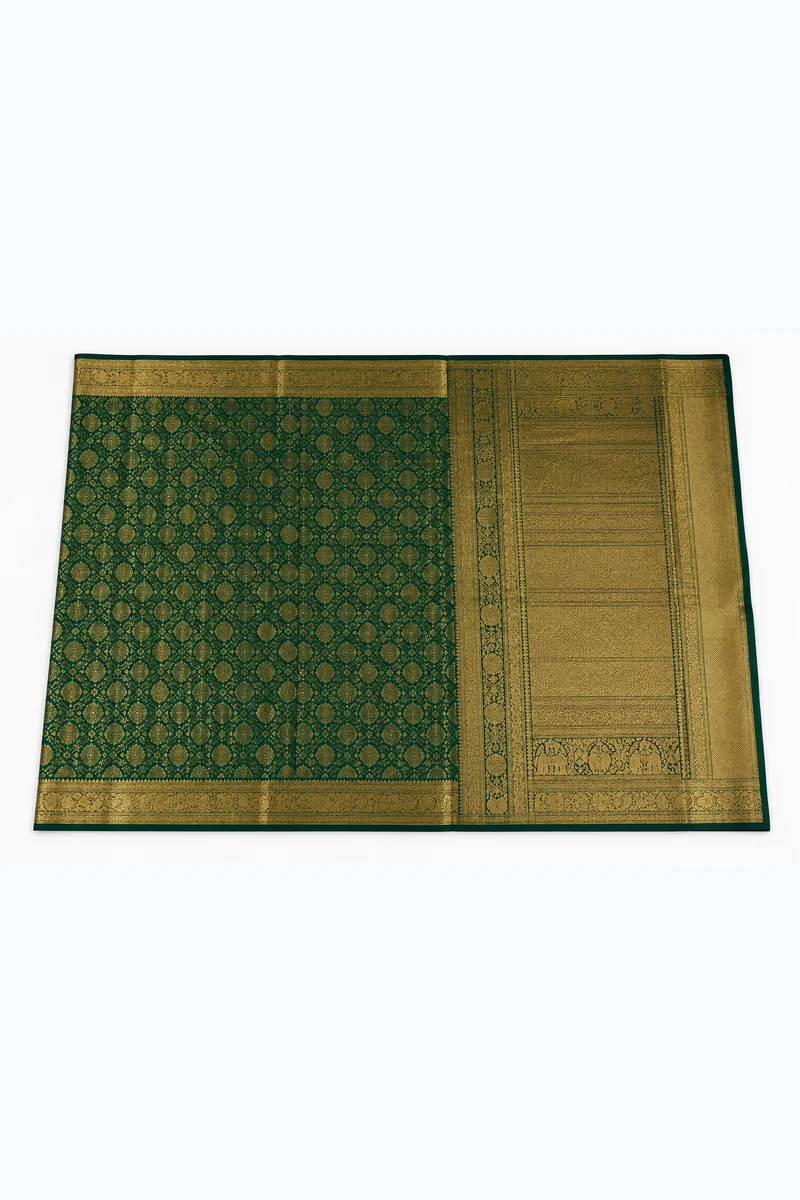
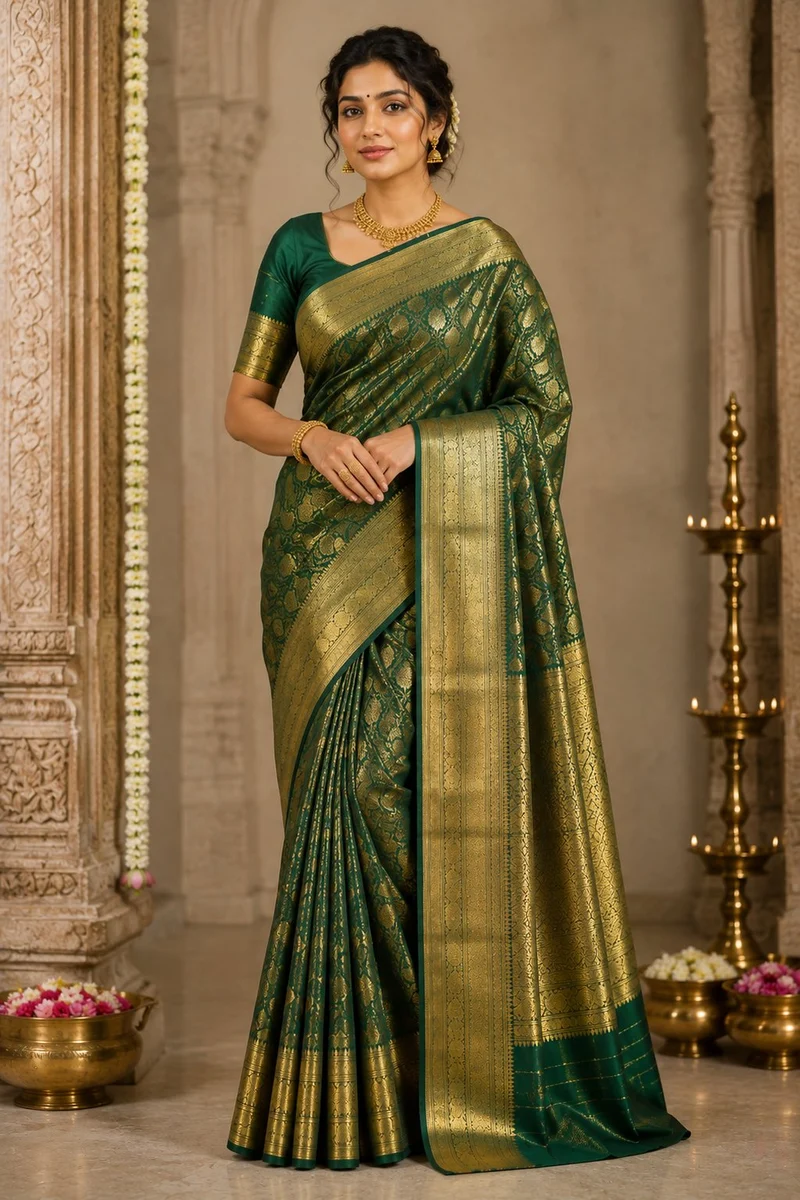
The reason to use a tool built for South Asian garments rather than a generic try-on: festive pieces are exactly where generic AI fails. Zari borders wander, a saree becomes an approximate wrap gown, a lehenga loses its flare. Your Diwali buyer knows these garments intimately — a wrong drape does not read as a quirky photo, it reads as a seller who does not know the category.
Festive Backgrounds That Sell the Occasion
Diwali listings have a job beyond showing the garment: they have to put the buyer at the party. A lehenga on a warm, diya-lit backdrop answers the question the buyer is actually asking — "is this what I want to be wearing on the night?" — in a way a grey studio wall cannot.
CatalogX ships festive Diwali-lit scenes among its 50+ backgrounds, so the same garment photo generates both looks in one sitting:
- Festive scene for Etsy (no white-background rule — lifestyle imagery is welcome), Instagram, WhatsApp catalogs and your own site's Diwali collection page.
- Pure white studio for Amazon MAIN images and any marketplace with strict background rules.
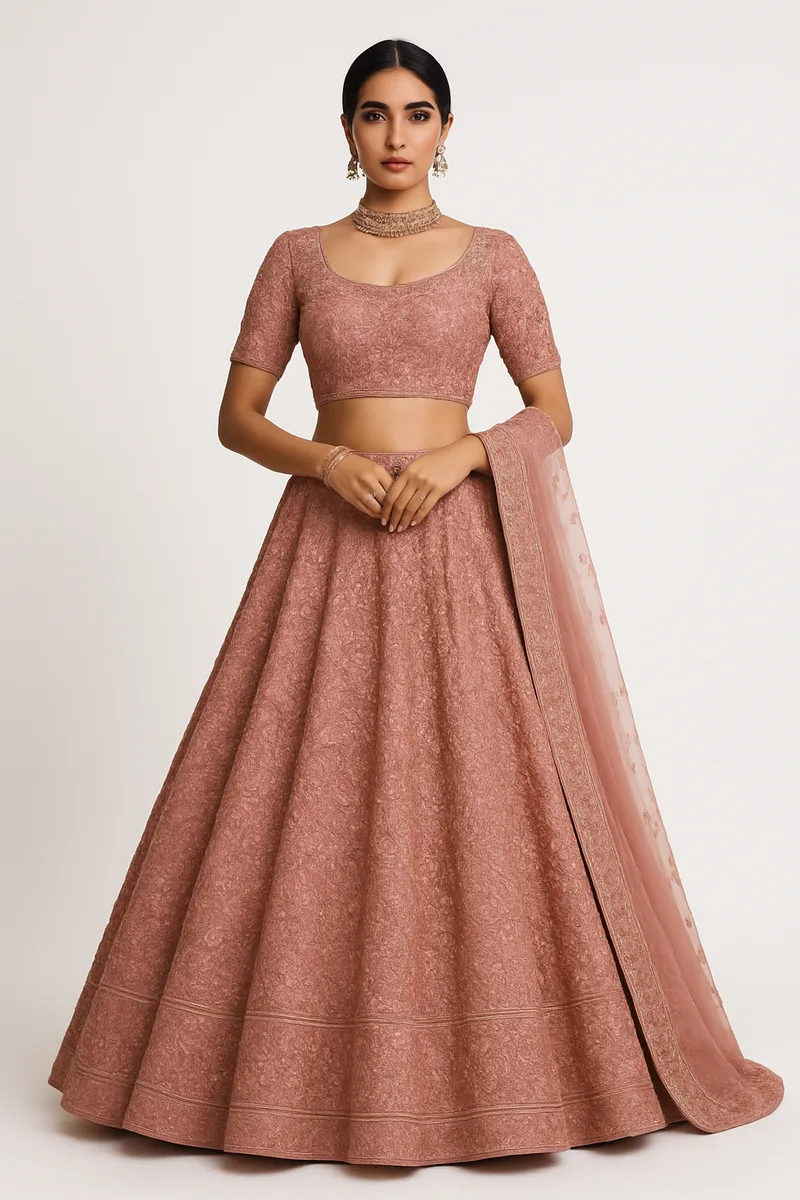
One craft note: keep the model consistent across your festive drop. A collection page where every lehenga and kurta set appears on the same one or two models reads like a label's Diwali campaign; ten different models reads like a reseller's aggregation. For the deeper occasion-page playbook, see our Diwali catalog photography guide.
Marketplace Rules for Your Festive Listings
The two channels that matter most for US ethnic-wear sellers have very different image rules, and October is a bad month to learn them by rejection:
| Marketplace | What Your Diwali Photos Must Meet |
|---|---|
| Etsy | 2000px on the shortest side; up to 20 photos per listing; no background restrictions — festive scenes welcome |
| Amazon US | Adult apparel MAIN image must show the garment on a standing human model — no mannequin, no flat-lay; pure white background; 1600px+ (2000px recommended); ~85% frame fill |
Etsy's 20 photo slots are an underused asset in this category: on-model front and angled shots, the festive-scene shot, embroidery and border close-ups from your real macro photos, a flat reference, a back view. Full galleries convert, and most ethnic-wear listings stop at four images. Details in the Etsy image requirements guide.
Amazon's standing-model rule is the one that hard-blocks sellers without photography: for adult clothing there is simply no compliant MAIN image without a person in it. A CatalogX render on a standing model against pure white satisfies the rule from a flat photo — see the Amazon apparel image guide for the full specification.
The Pre-October Checklist
Print this, or at least screenshot it:
- Lock the festive assortment by September 15. Whatever has not shipped from your supplier by then is next year's Diwali stock.
- Photograph every adult hero piece on a model. One clean flat photo per garment in, on-model shots out — lehengas and sarees first, then kurta sets. Budget an afternoon, not a season.
- Generate both background sets. Festive Diwali-lit scene for Etsy, Instagram and your site; pure white standing-model shot for Amazon.
- Shoot kids' pieces and detail close-ups yourself. Flat-lays for children's wear, macro shots of zari and embroidery for the later gallery slots.
- Fill the galleries. Use Etsy's 20 slots; meet Amazon's resolution and frame-fill numbers.
- Everything live by October 7. Then switch entirely to promotion and fulfillment.
Upload a lehenga or saree photo and get an on-model festive shot in about 30 seconds. 5 free credits, no card needed.
Put a lehenga on a model — free →
The Math for a 30-Piece Festive Drop
Take a realistic boutique drop: 30 festive pieces. A US studio route means $300+ per session before model fees — and sessions covering 30 garments across multiple looks means several sessions, booked weeks ahead in the busiest month of the photography calendar, at $50–150 per finished image if you price it per shot. Most small sellers respond to that math the rational way: they skip on-model photos and list flat-lays, then wonder why the click-through never comes.
The AI route prices per image on subscription credits — plans start at $9.99/month, with a free tier of 5 credits to test on your own inventory first (full breakdown on the pricing page). A new colorway arriving October 10 is one more credit and thirty more seconds, not a reshoot you cannot book. That difference — reshoot cost collapsing to zero — is what makes the early-October deadline actually achievable for a shop of one.
Diwali rewards the sellers who are ready early. The garments are already beautiful; the buyers are already searching. The only thing standing between a September inventory box and an October festive storefront is photography — and that has stopped being a reason to miss the season. If you are building out the rest of your shop for the diaspora market, start with our guide to selling Indian ethnic wear on Etsy from the US or UK, or see everything CatalogX offers international sellers on the US home page.