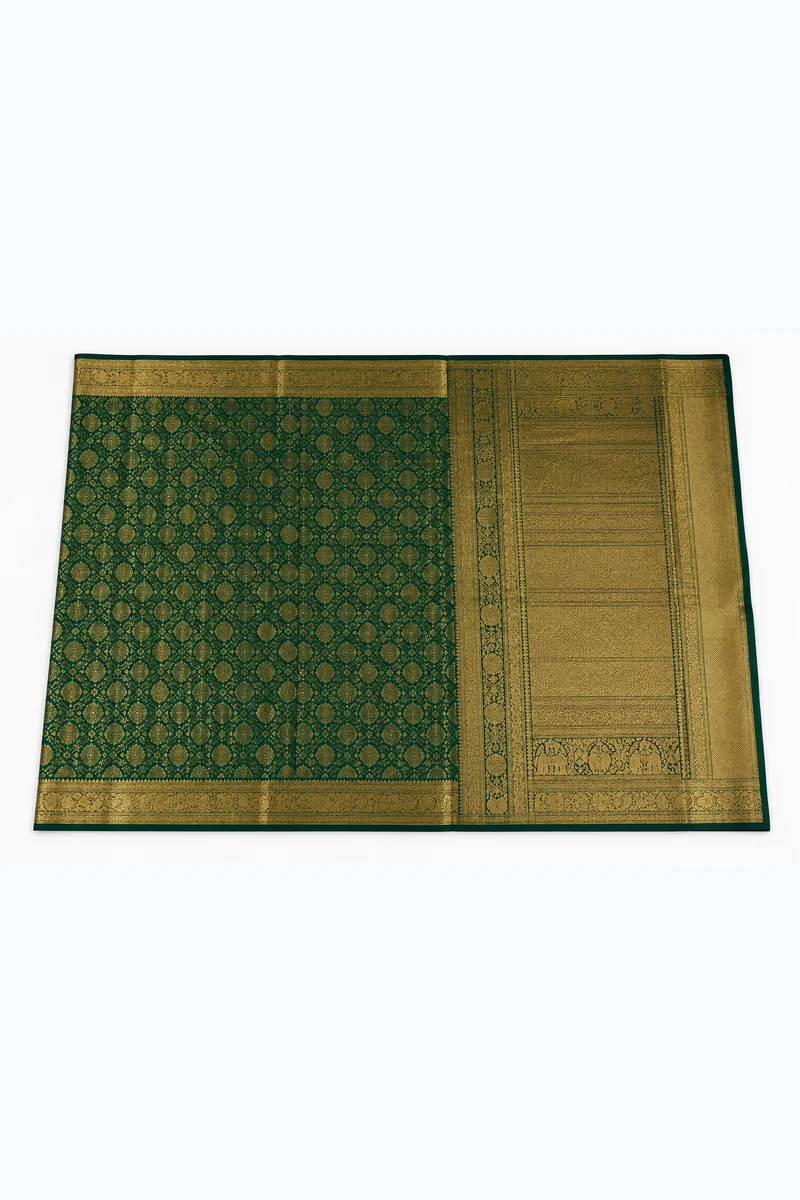
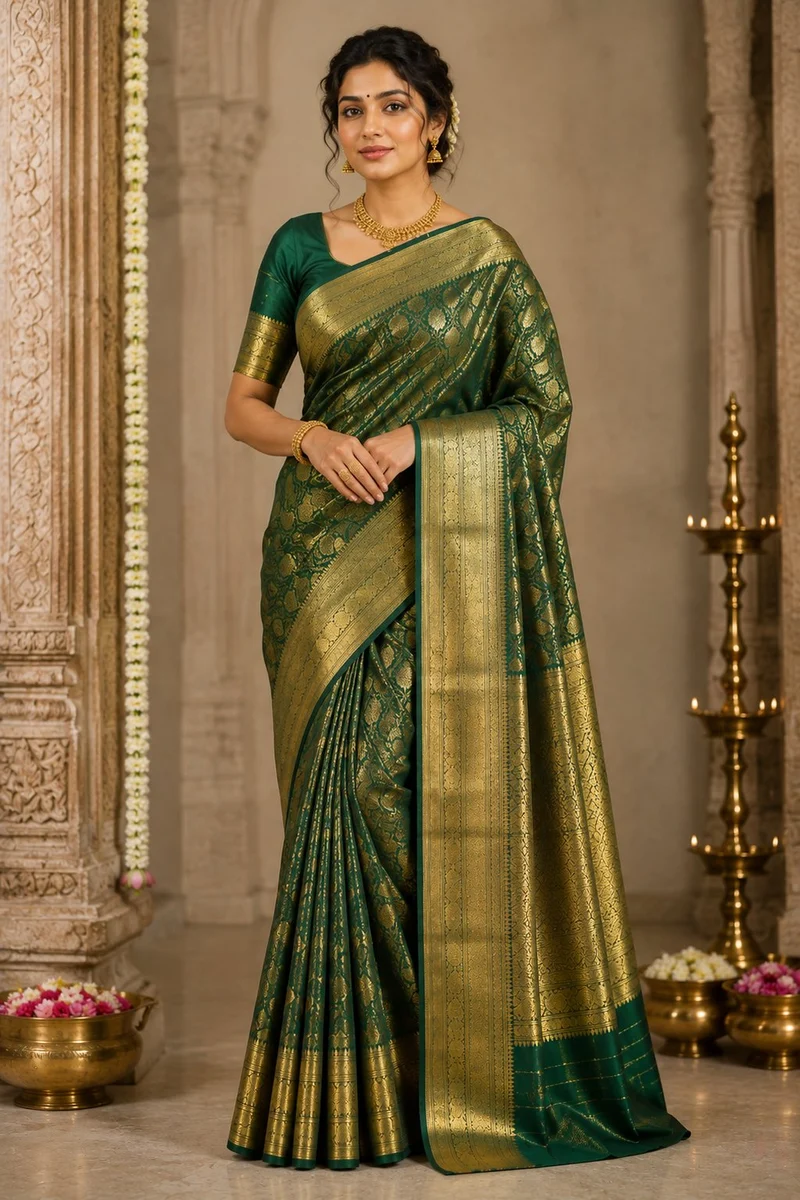
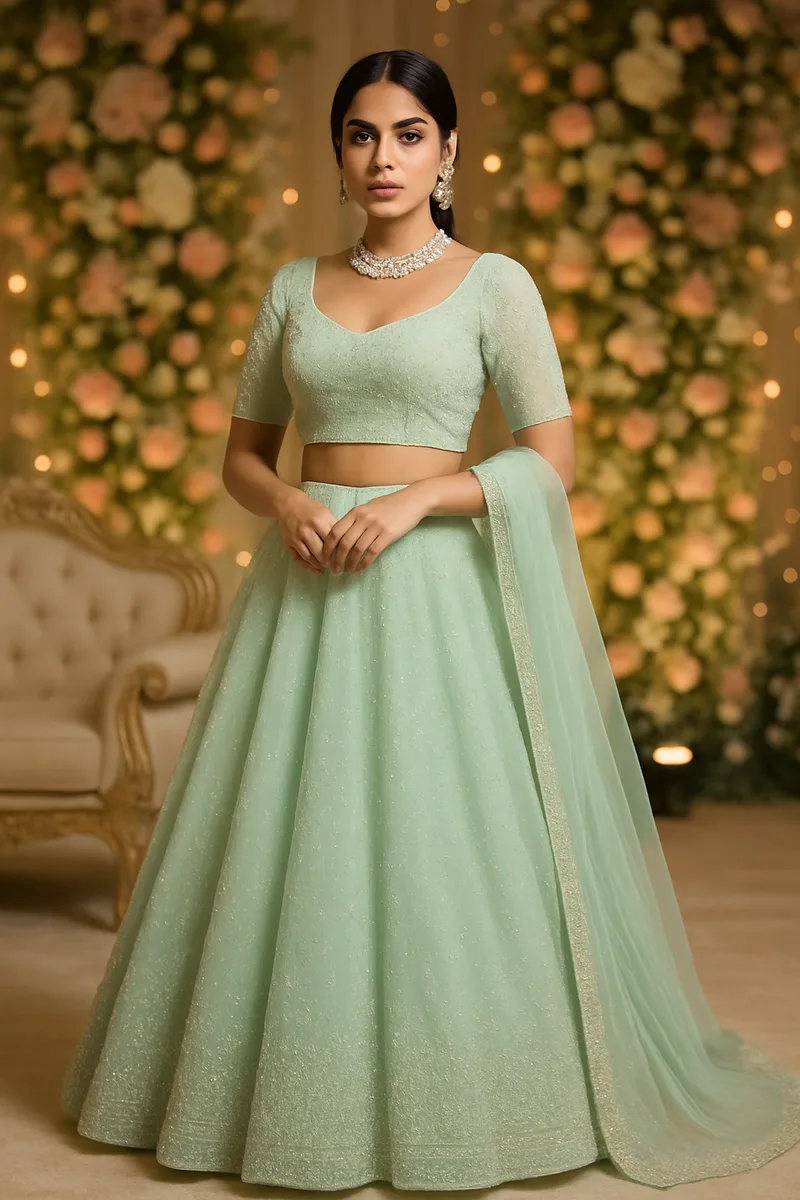
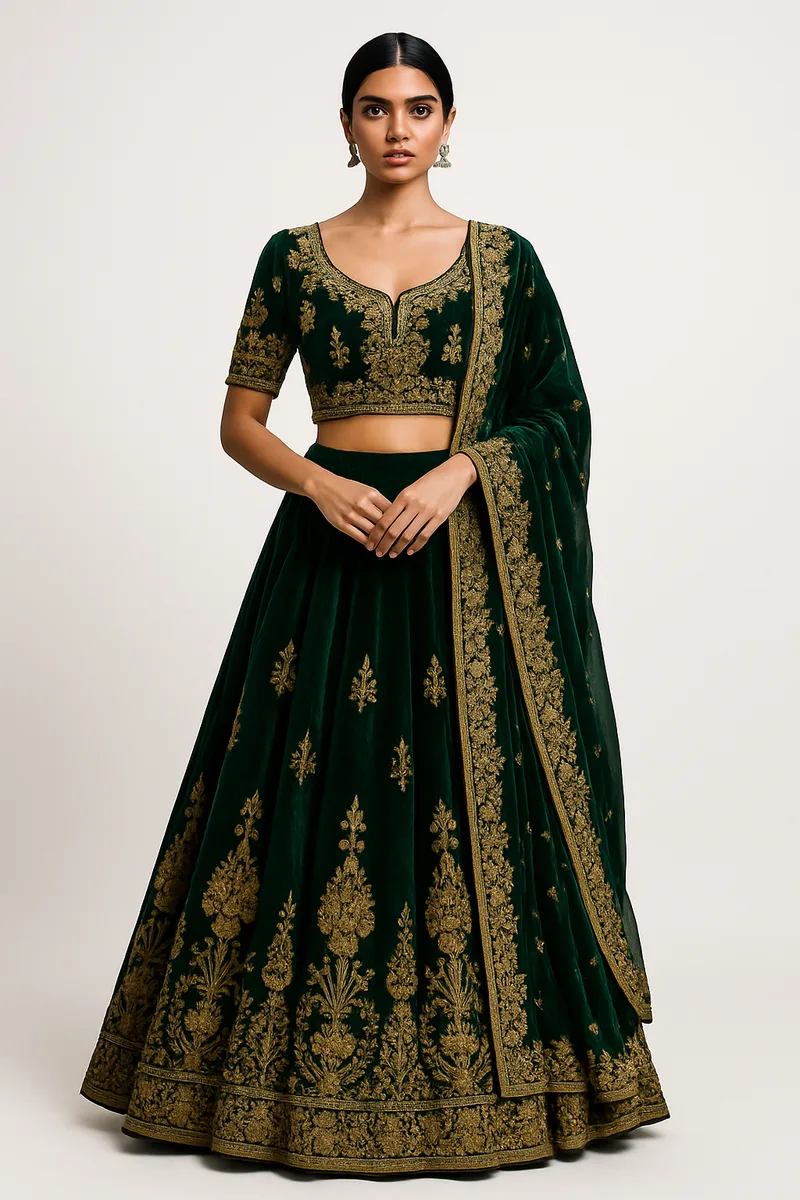
You sell sarees, lehengas, kurtis, salwar kameez or sherwanis in the UK — and the supplier photos you get were never shot for Etsy, eBay or Depop. CatalogX turns one flat garment photo into a photorealistic on-model shot in about 30 seconds, keeping the pallu direction, the flare, the border and the exact colourway your buyer will receive.


No studio hire, no model casting, no waiting for a photographer's slot between wedding-season rushes. Just the photo you already have.
A flat-lay on your floor, a hanger shot, or your supplier's catalogue image. Tags, pins and packaging are removed automatically.
40+ models across skin tones and body types — including South Asian models your buyers recognise themselves in — and 50+ backgrounds, from pure white to festive and bridal scenes.
About 30 seconds later, download high-resolution images sized for Etsy, eBay, Depop and Amazon. You own every image, on every plan.
Most AI try-on tools were trained on t-shirts and western dresses. Feed them a saree and they invent a garment that looks vaguely similar and is wrong everywhere it matters. These are the failure modes we built CatalogX specifically to avoid.
Generic tools routinely flip the pallu to the wrong shoulder or dissolve the pleats into a smooth skirt — instantly wrong to anyone who has ever draped one. CatalogX understands the drape as construction: pleats at the waist, pallu over the left shoulder, border running continuously along the fall.
The volume of a lehenga is the selling point. Generic AI narrows the silhouette to match the dresses it was trained on, turning a 12-kali flare into a pencil skirt. CatalogX preserves the flare, the kali panels and the can-can fullness your photo shows.
A dupatta draped over a suit or lehenga confuses generic models — it gets fused into the bodice, deleted entirely, or repainted in the wrong colour. CatalogX treats it as a separate layer with its own fall and transparency.
The straight, closely spaced button placket is what makes a sherwani read as formal. Generic tools bend it, thin it out, or swap it for western suit buttons. CatalogX keeps the placket straight and the buttons exactly where your photo puts them.
Kurtis become maxi dresses; ankle-length anarkalis become knee-length frocks. CatalogX measures hem length from your photo and anchors the output to it — a mid-thigh kurti stays mid-thigh, an ankle-length gown stays at the ankle.


CatalogX supports 14+ garment types and 14 accessory types. Here is how it handles the five that fill most UK South Asian sellers' shops.
The hardest garment for any AI — six metres of fabric whose entire identity lives in how it is draped. CatalogX renders the pleats at the waist, carries the border continuously from hem to pallu, and keeps the blouse as a distinct garment rather than melting it into the drape. Kanjeevaram silk holds its structure; georgette falls soft. If you buy from wholesalers in India and resell to the diaspora on Etsy UK or Instagram, this is the difference between a listing photo and a returned parcel.
Saree photography guide → Selling ethnic wear on Etsy →Bridal and festive lehengas are the highest-ticket items in most UK boutiques — and the ones buyers most need to see on a body before spending hundreds of pounds. CatalogX preserves the flare and kali construction, keeps heavy zardozi and sequin work sharp rather than smudged, and styles the dupatta as its own layer. Generate the same lehenga on multiple models so brides of different builds can picture themselves in it.
Lehenga photography guide →Your volume seller — and the garment where hem drift hurts most, because a kurti's length defines its category. CatalogX anchors hem length to your photo: a hip-length straight-cut kurti stays hip-length, an A-line stays A-line, and side slits stay where the tailor put them. Prints and block-work reproduce exactly, so the mustard you photographed is the mustard the buyer receives — the number-one complaint category for colour-sensitive ethnic wear.
Kurti photography guide →A three-piece set is three chances for generic AI to get confused: kameez, bottoms and dupatta each need their own treatment. CatalogX renders the kameez with its true length and neckline, keeps churidar gathers or palazzo width as photographed, and drapes the dupatta without fusing it into the outfit. Ideal for ready-made suit sellers in Leicester, Birmingham and London who list dozens of colourways a week and can't shoot each one.
Salwar suit photography guide →Menswear is chronically under-photographed in the UK ethnic wear trade — grooms buy from a mannequin photo or a WhatsApp forward. CatalogX puts your sherwani on a standing male model with the button placket straight, the collar structured and the churidar or trouser visible below the hem, so your groomswear listings finally match the occasion they're bought for. Add a stole or safa from the accessory options to complete the look.
Wedding season catalogue photography →
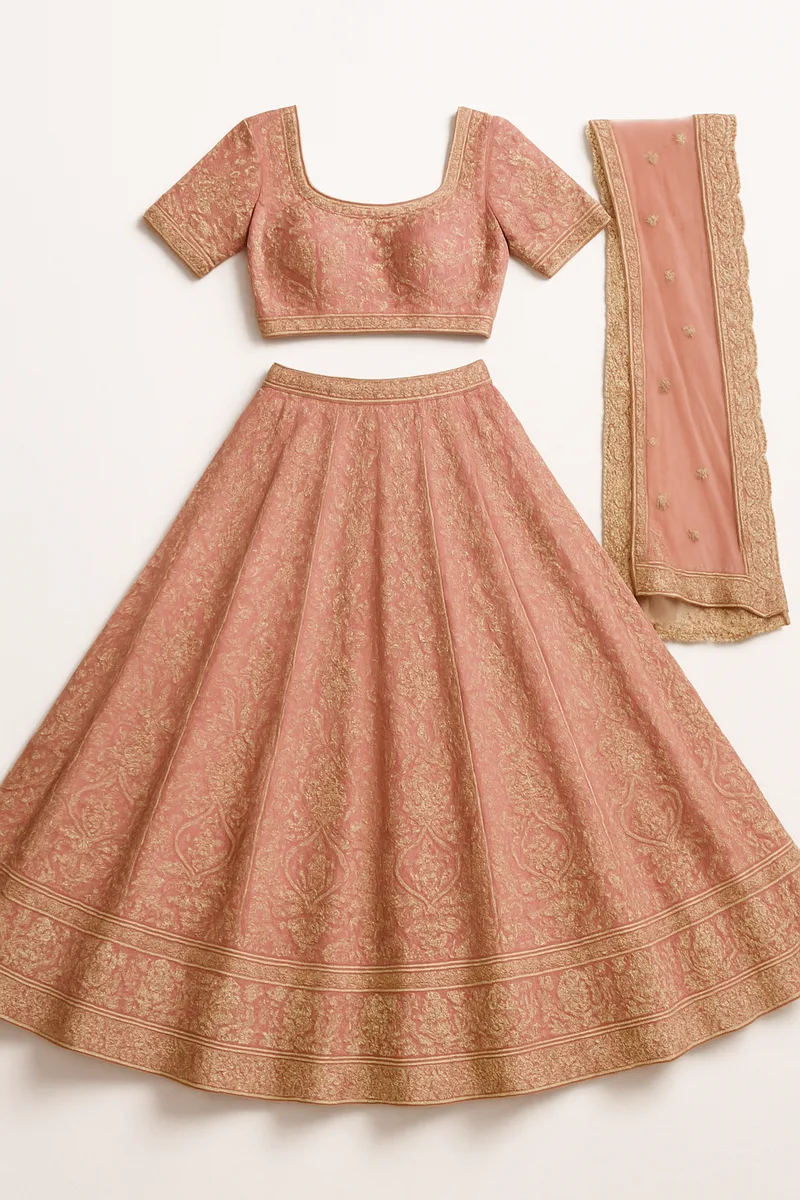
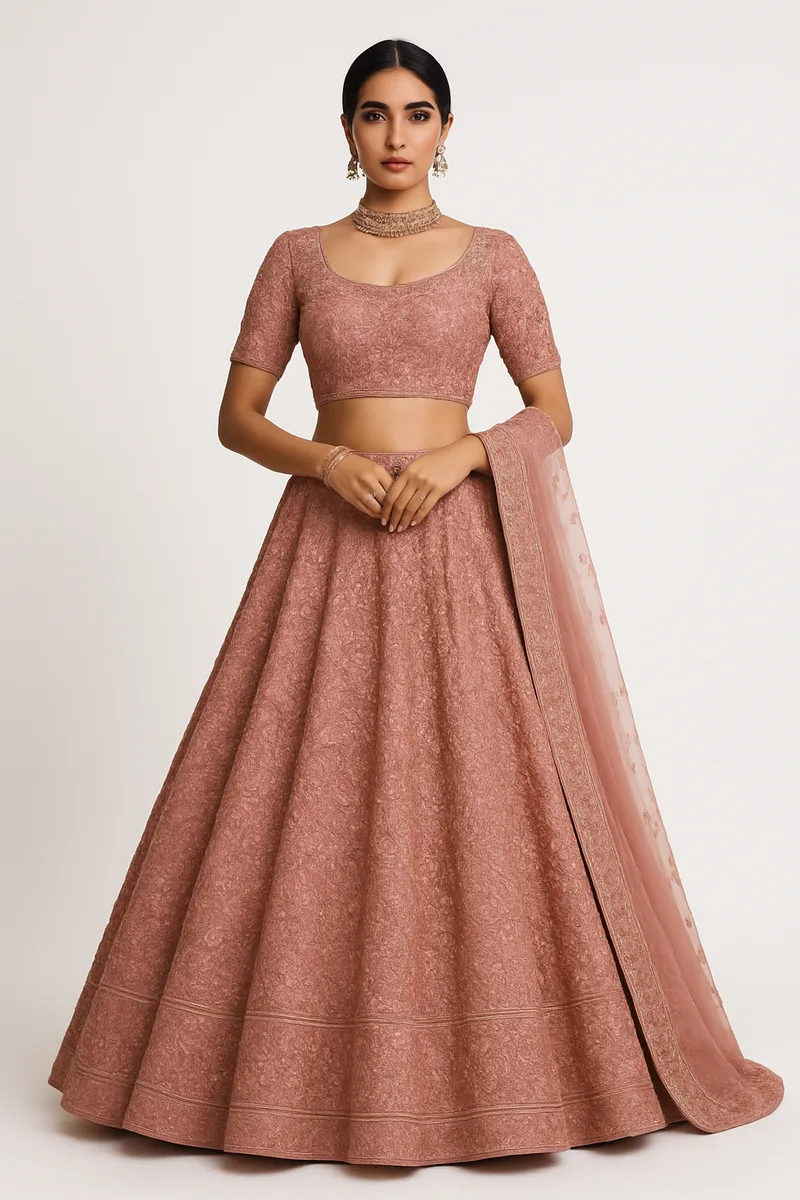
A UK studio session typically runs into hundreds of pounds before you've hired a model who can actually drape a saree — and most boutiques restock faster than any studio calendar allows. Here's how the three options compare.
| UK studio photoshoot | Generic AI try-on | CatalogX | |
|---|---|---|---|
| Cost | Typically hundreds of pounds per session, plus model fees | Low per image | From $9.99/mo for 20 images (~40p each); 5 free to start |
| Turnaround | Days to weeks, booked in advance | Under a minute | ~30 seconds per image |
| Saree & lehenga fidelity | Excellent — if the model and stylist know the drape | Poor: pallu flipped, flare flattened, hems drift | Purpose-built: drape, borders, dupatta and hem length preserved |
| Colour accuracy | Depends on lighting and retouching | Often repaints the garment | Reproduces your photo's colourway exactly |
| New colourway added | Re-book the studio | Re-roll and hope | One more credit, identical model and pose |
| Best for | Flagship bridal campaigns | Western basics | Ethnic wear catalogues at marketplace scale |
Full cost breakdown: AI photoshoot vs studio costs →
UK South Asian retail runs on two clocks: the summer wedding season and the Diwali–winter festive run. Both punish slow photography.
Roughly five million people of South Asian heritage live in the UK, and the wedding calendar — from spring through late summer, then again around winter muhurat dates — drives the year's biggest spend on lehengas, sherwanis and heavy sarees. Bridal parties shop months ahead; if your new collection arrives in March but its photos aren't ready until May, you've missed the buying window. With CatalogX, the day stock lands in Leicester or Southall, it can be on a model and live on your site the same afternoon.
Diwali demand in the UK compresses into a few frantic weeks — exactly when studios are booked out and couriers are slow. Sellers who refresh their catalogue with festive backdrops in early autumn capture the search traffic; sellers who don't sell last year's photos. Generate your Diwali edit — same garments, festive scenes, consistent models — for a few credits, and have Eid and Rakhi variants ready from the same uploads.
Diwali catalogue photography → Diwali collection photography for boutiques →CatalogX is priced and charged in US dollars: Starter is $9.99/month, Pro $19.99/month and Business $49.99/month — very roughly £8, £16 and £40 at recent exchange rates, though your bank sets the final conversion (some cards add a small foreign-transaction fee). UK cards work normally, and the free tier gives you 5 credits with no card at all. Full details on the pricing page.
No. CatalogX is built to reproduce the garment exactly as photographed — zari borders, embroidery, prints and the exact colourway stay as they are, and hem length is measured from your photo rather than guessed. A plain kurti stays plain; nothing is invented that your photo doesn't show.
Yes. Outputs cover Etsy's 2000px shortest-side recommendation, eBay's 1600px longest side, and Depop's 1080×1080 square, and you can generate on a pure white background where a marketplace expects one. Pro adds 4K output for large hero images. See the Etsy guide for the full spec list.
Yes — pick one model and one backdrop and reuse them across every saree, lehenga and kurti you list, so your shop page reads like one brand rather than a patchwork of supplier photos from five different wholesalers.
Marketplaces require photos to accurately represent the item you ship, and none of the major UK platforms ban AI-assisted imagery of your real product. Because CatalogX renders your actual garment photo onto the model rather than generating a lookalike, the listing shows exactly what the buyer receives.
A generation takes about 30 seconds. On the Starter plan ($9.99 for 20 credits) an on-model photo works out around $0.50 — roughly 40p — versus a UK studio session that typically runs into hundreds of pounds before you've paid a model. One-time credit packs are available at the same prices if you'd rather not subscribe.
Any clear photo of the garment: a flat-lay on your floor, a hanger shot against a wall, or the supplier's catalogue image. Your phone is enough — good even light and the full garment in frame is all it takes. Our saree photography guide covers the basics.
Yes. Every plan — including the free tier — includes full commercial use. You own all outputs and there are no watermarks, so the photos are yours to use on Etsy, eBay, Depop, Amazon, Instagram and your own site.
Upload one saree or lehenga and see the drape handled properly — 5 free credits, no card, full commercial use.