Hoodie photos on real models — prints, drawstrings and drop shoulders intact
Every streetwear brand hits the same wall: the drop is printed, the mockup looks like everyone else's mockup, and a photoshoot won't happen before launch day. CatalogX is an AI hoodie try-on that turns one flat photo into on-model product shots in about 30 seconds — with the chest print, kangaroo pocket, drawstrings and oversized fit rendered exactly as they exist on the garment.
A black shirt from our public example gallery — the same flat-lay-to-model pipeline your hoodie goes through. Upload your own hoodie and see it on a model with your first free credit; hoodies are one of the 14+ garment types CatalogX handles.
How It Works
From print file to product page in three steps
No model booking, no studio rental, no waiting two weeks for edited files while the drop window closes.
Upload the hoodie
A flat-lay on your packing table, a hanger shot, or the flat mockup of your finished design from your print-on-demand dashboard. Tags, pins and background clutter are removed automatically.
Pick a model & scene
40+ models across skin tones and body types, 50+ backgrounds — concrete-and-street scenes for the feed, studio white for TikTok Shop and Amazon MAIN images. Lock one model for the whole drop.
Download drop-ready shots
Generation takes about 30 seconds per image. High-resolution output, 4K on Business, no watermarks — you own every image with commercial rights on every plan, ads included.
Garment Fidelity
Where generic AI try-on ruins a hoodie
A hoodie is deceptively hard for AI. It has more construction details than a tee — hood, drawstrings, kangaroo pocket, ribbed trims, deliberate oversize — and generic tools redraw them instead of preserving them. These are the failure modes we built against.
Chest print warped by the pocket seam
Generic models treat the print as texture and let the kangaroo-pocket seam bend your graphic like a funhouse mirror — logos smear, type goes unreadable. CatalogX treats the print as fixed artwork: placement, proportions and edges stay as photographed, curving only where real fabric curves.
Hood rendered down when it should frame the neckline
The hood is half the silhouette. Generic try-on collapses it into a vague lump behind the shoulders or deletes it entirely. CatalogX renders the hood as photographed — resting with volume and framing the neckline — so the product in the photo is recognizably a hoodie, not a crewneck.
Drawstrings duplicated or missing
Two drawstrings in, three or zero out is a classic generic-AI tell — and buyers notice hardware. CatalogX preserves the drawstrings, aglets and eyelets your photo actually shows: two strings in, two strings out, nothing invented.
Ribbed cuffs and hem smoothed away
Ribbing is what separates a premium heavyweight fleece from a cheap blank in a photo. Generic tools blur the cuff and hem ribbing into flat fabric. CatalogX keeps the knit texture visible at the cuffs and waistband, where buyers zoom to judge quality.
Oversized fit slimmed down
If you sell a boxy 480gsm cut, a photo of a fitted hoodie is a misrepresentation — and a returns machine. CatalogX reads the garment's proportions before generating, so drop shoulders stay dropped, sleeves stack, and the body keeps its volume instead of being shrink-wrapped to the model.
A plain blank stays plain
Nothing is invented that your photo doesn't show. No hallucinated zippers, no surprise embroidery, no color drift on the colorway you actually dyed. What you upload is what the model wears — which is also what keeps you compliant with marketplace accuracy rules.
This matters beyond aesthetics. On Etsy, Amazon and TikTok Shop alike, the listing photo must accurately represent what you ship — a mockup with the wrong blank, the wrong fit or a redrawn print is a returns problem and a policy problem at once. Fidelity to the physical garment is the whole point of using your own photo as the source, and it's the standard every CatalogX output is generated against.
Built for Drops
Weekly drops need same-day photos
Streetwear runs on a calendar a photographer can't keep. When the samples land Tuesday and the drop goes live Friday, the photos have to exist today.
A traditional shoot means booking a model and a studio weeks out, then paying $300+ for the session — or $50–150 per finished image — before a single unit sells. That math works for a legacy brand shooting a season; it collapses for a label dropping six new colorways every week or a print-on-demand store testing twenty designs to find the two that convert. (The full breakdown is in our AI photoshoot vs studio cost guide.) With CatalogX, the piece that comes off the heat press at noon has its on-model photo before the TikTok goes up at one.
Consistency is the other half. A feed stitched together from supplier photos, one-off shoots and borrowed mockups reads as a reseller; a grid where every piece hangs on the same model in the same light reads as a brand. Pick one model from the library, lock the scene, and run the entire drop through it — bulk generation handles up to 20 garments in one run, so a full collection comes back as one coherent shoot. Next drop, same model shows up again, and your customers start recognizing the "face" of the label.
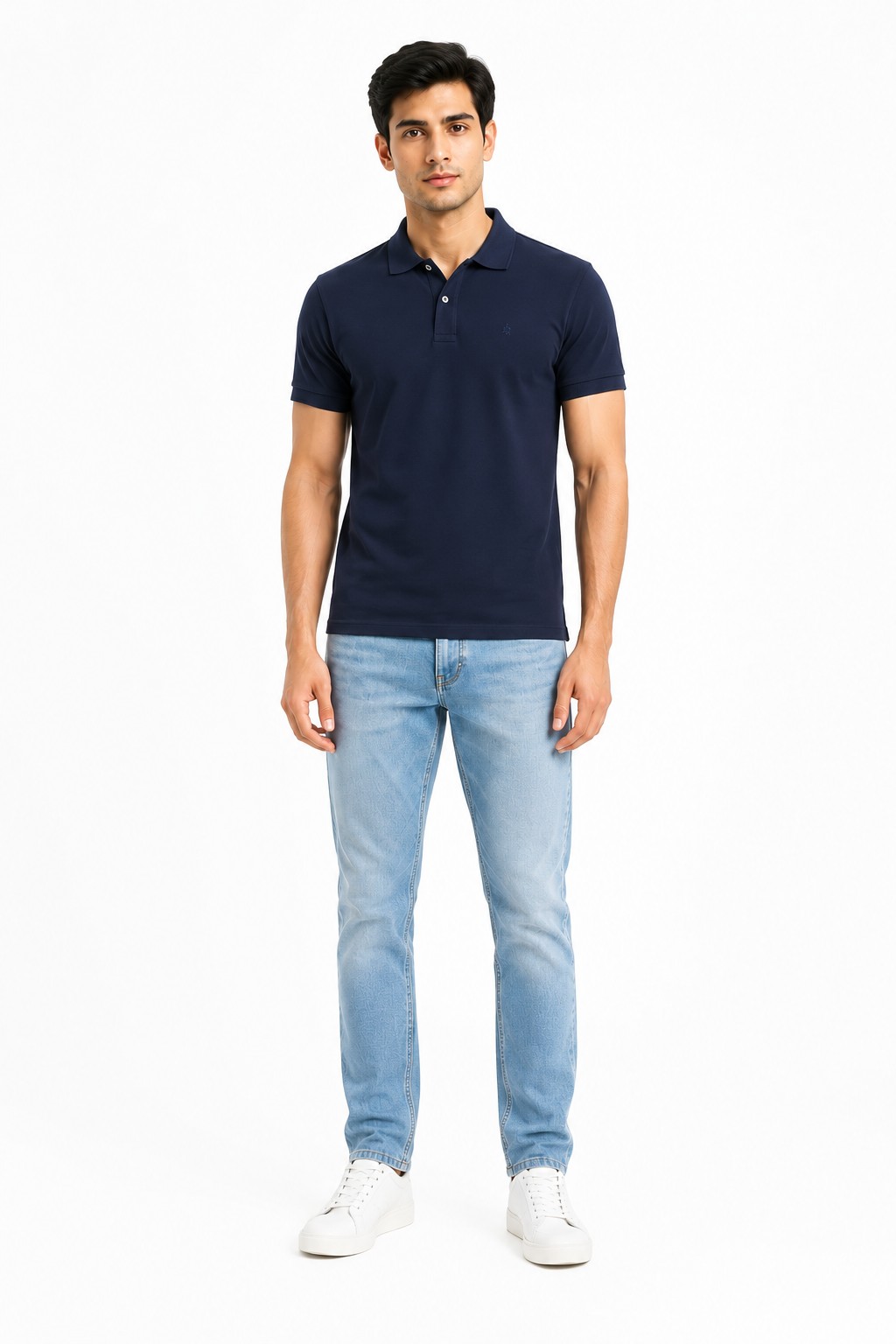
Model library — men's casual
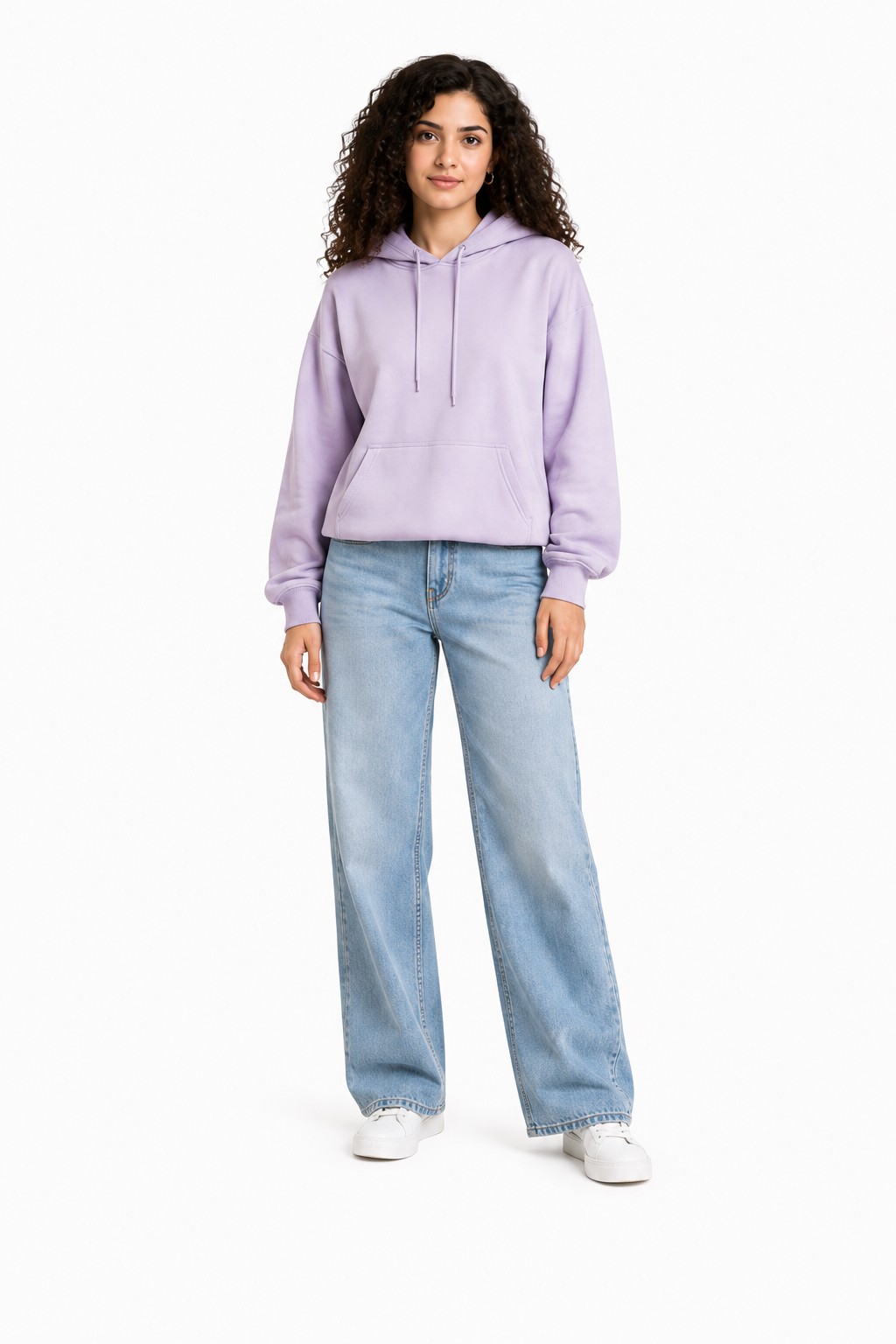
Model library — women's casual
Two of the 40+ models in the CatalogX library. Choose one and keep them across every piece, colorway and drop.
No. CatalogX treats the print as fixed artwork on the garment: it keeps the graphic's proportions, placement and edges as photographed, and bends it only where real fabric would bend — over the chest curve and around the kangaroo-pocket seam — instead of redrawing it. Text stays legible and a plain blank hoodie stays plain.
Yes — that's the main use case. Upload a photo of your actual printed hoodie, or the flat mockup of your finished design from your print-on-demand dashboard, and CatalogX renders it on a photorealistic model. Unlike a template, the output is your garment on a real-looking person, not your artwork pasted onto a stock photo thousands of other stores also use.
Yes. TikTok Shop wants a pure white background at 1080×1080 or larger — pick the studio-white scene and you're compliant. Amazon US requires adult-apparel MAIN images to show the product on a standing human model (no mannequins or flat-lays) on pure white, filling roughly 85% of the frame at 1600px or larger; CatalogX generates exactly that. Etsy recommends 2000px on the shortest side, and Poshmark covershots are 3:4 portrait — high-resolution output covers both.
Yes. CatalogX reads the garment's proportions before generating, so an oversized hoodie renders with dropped shoulder seams, extra body volume and stacked sleeves — it isn't slimmed into a fitted silhouette. If your brand sells a boxy cut, the photo shows a boxy cut.
Yes. Pick one model from the 40+ model library and reuse them for every colorway and piece in the drop, and bulk generation handles up to 20 garments in one run. Your product grid and feed read as one shoot, shot on the same day.
A US studio session runs $300+ before model fees, or $50–150 per finished image. CatalogX starts free with 5 credits and no card required; paid plans run $9.99–$49.99 per month, each generation takes about 30 seconds, and you own every image with full commercial rights on every plan. Full plan details are on the pricing page.
Yes. You own all outputs on every plan, including the free tier — no watermarks, and commercial use is included. Use them on product pages, in TikTok and Meta ads, on lookbooks and in email.
A straight-on flat-lay or hanger shot in even light works best. Make sure the details you want preserved are visible in the source: the full chest print, the drawstrings laid naturally, the pocket seam, and the ribbing at cuffs and hem. Phone photos are fine — the AI removes tags, clips and background clutter automatically. The clearer the construction reads in your photo, the more faithfully it renders on the model.
Your next drop, shot before lunch
Upload the hoodie, pick your model, and launch with photos that look like a brand — print, drawstrings and drop shoulders exactly as they left the press.
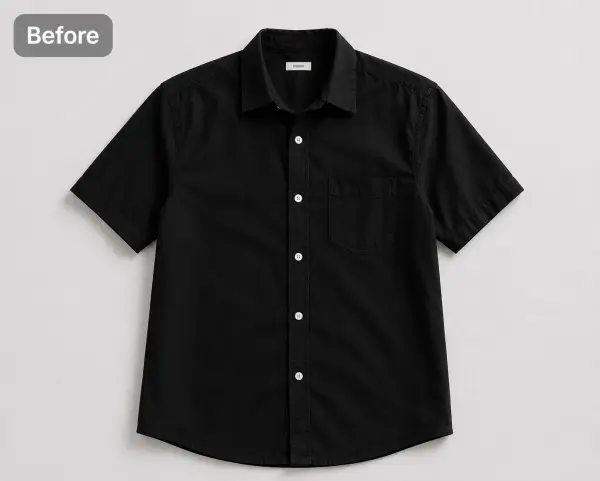 Before — flat photo
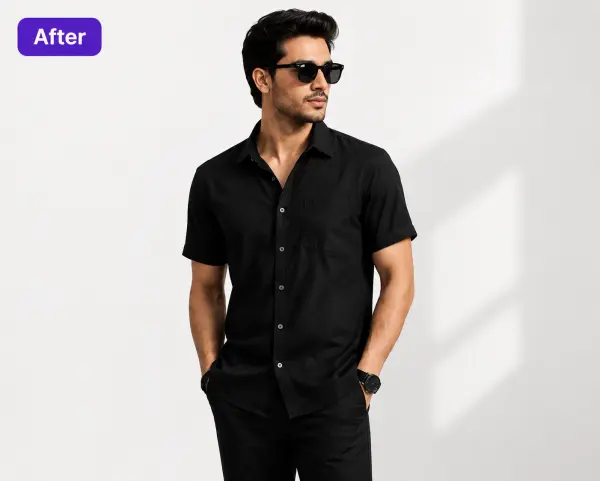 After — CatalogX