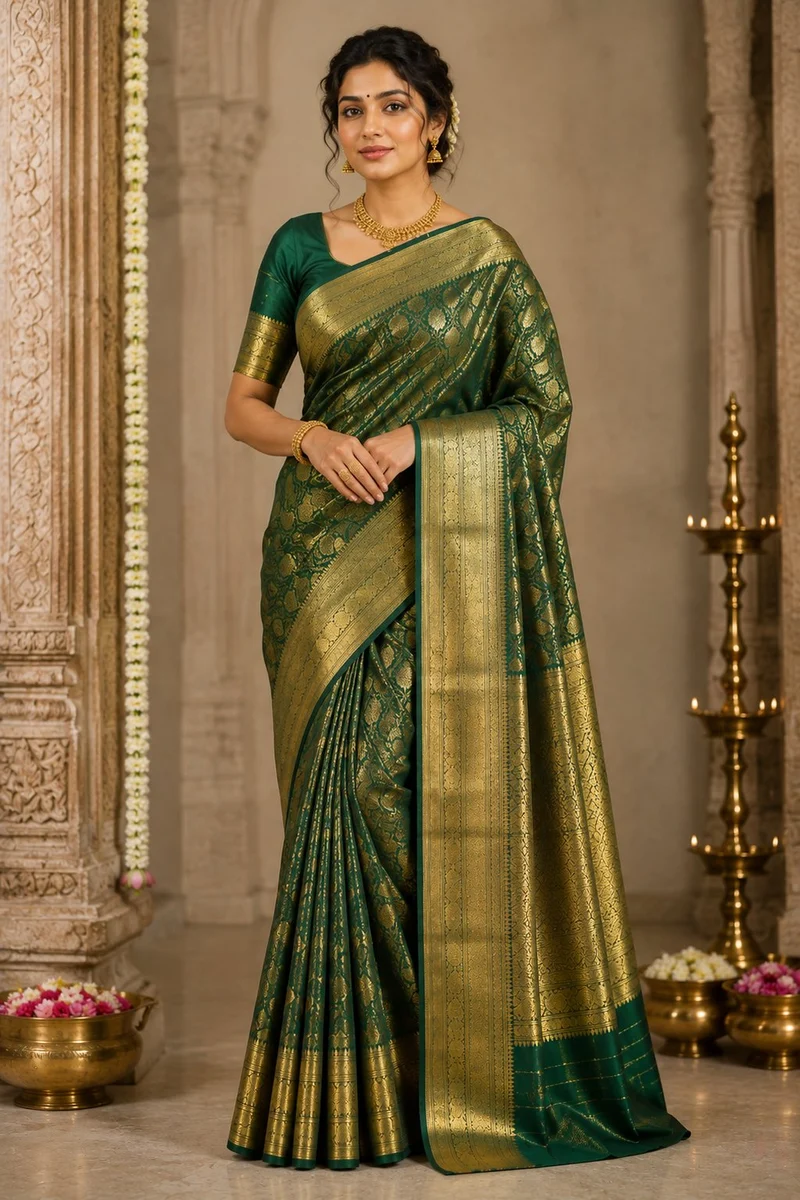
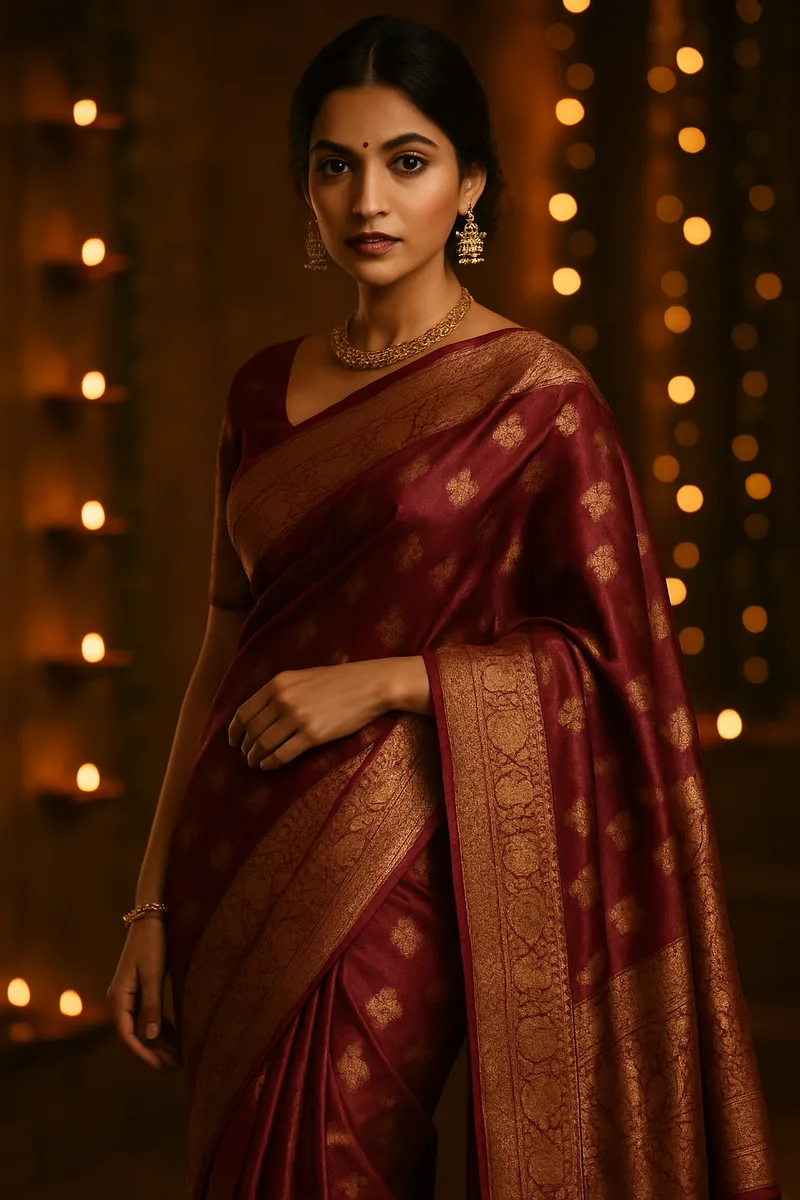
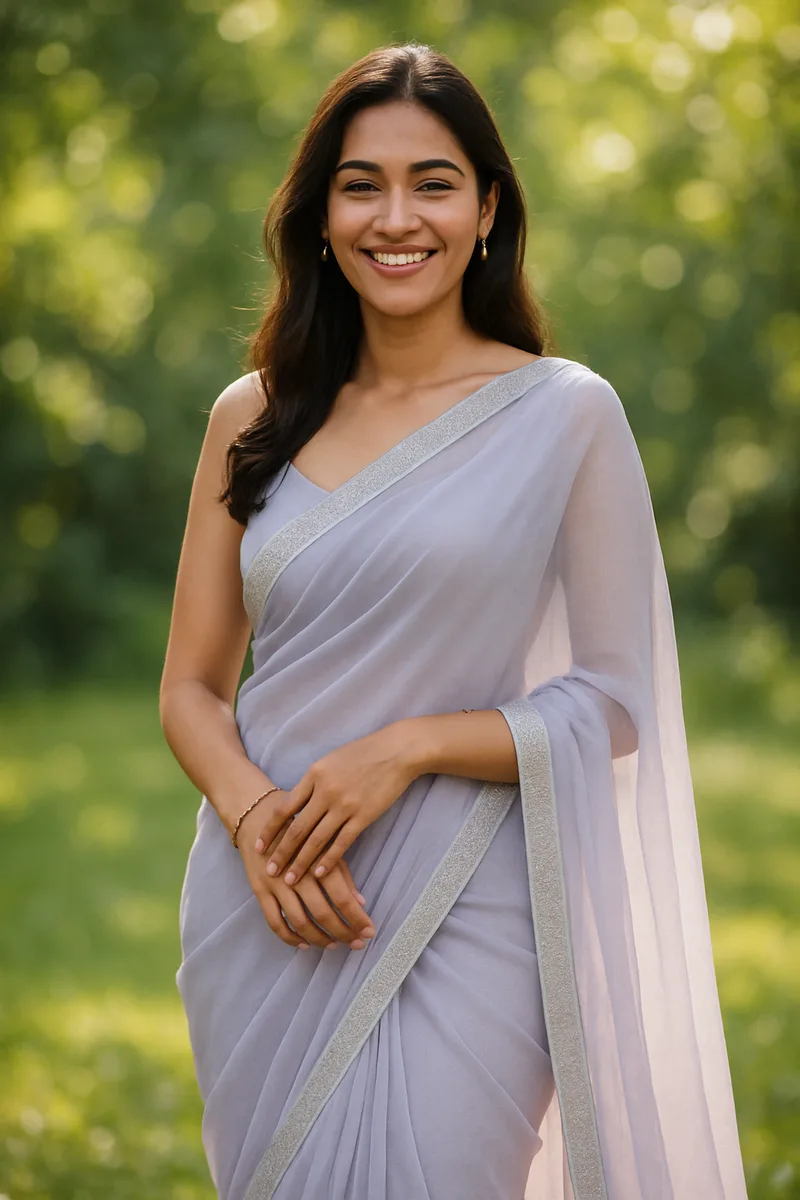
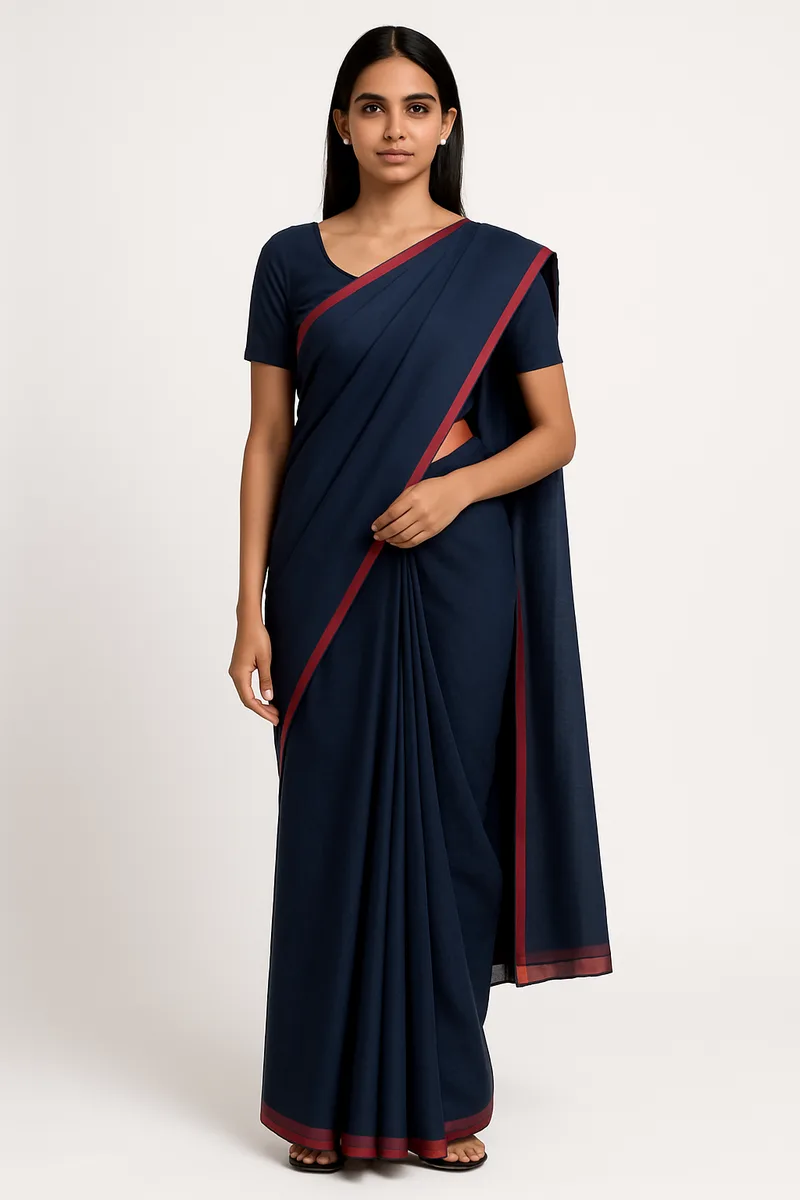
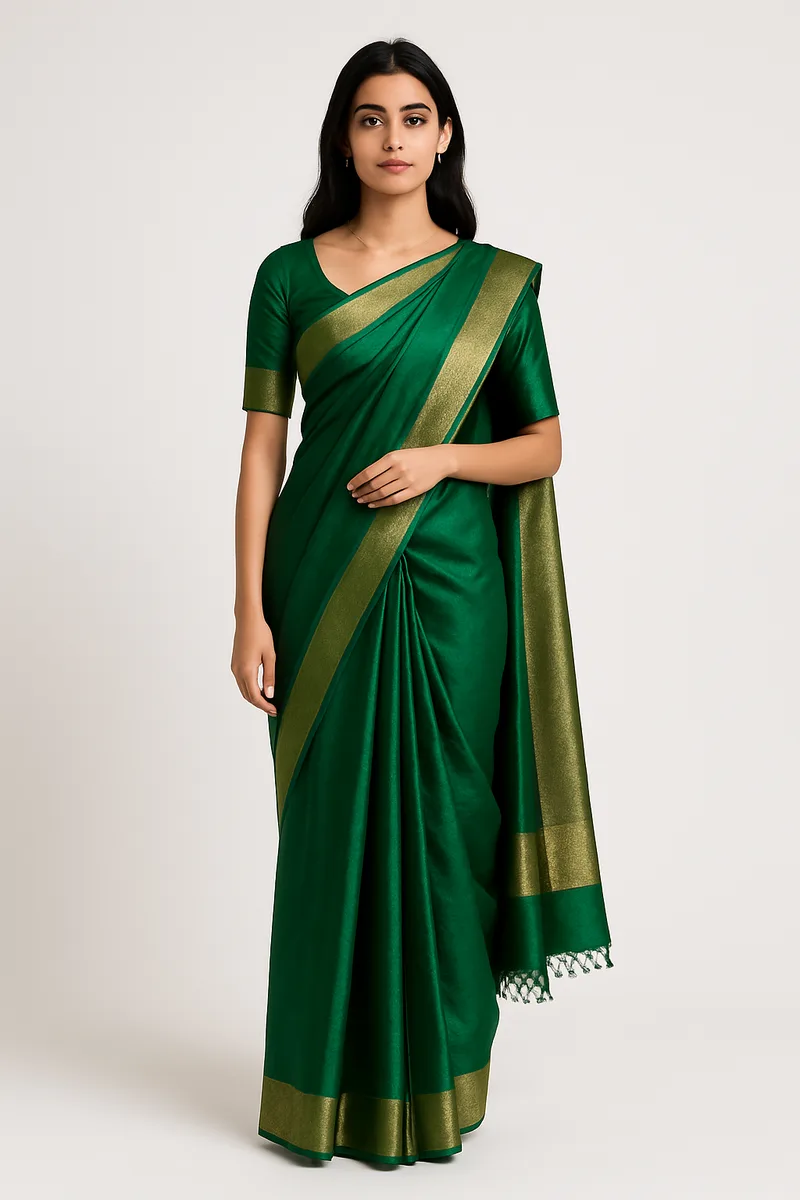
Saree virtual try-on built for the garment, not adapted to it. Upload one flat photo and get a photorealistic model shot where the pallu falls over the correct shoulder, the pleats stay counted, the border runs unbroken and the hem sits where a real drape would put it. About 30 seconds per image — no photoshoot, no model booking, no shipping samples to a studio.
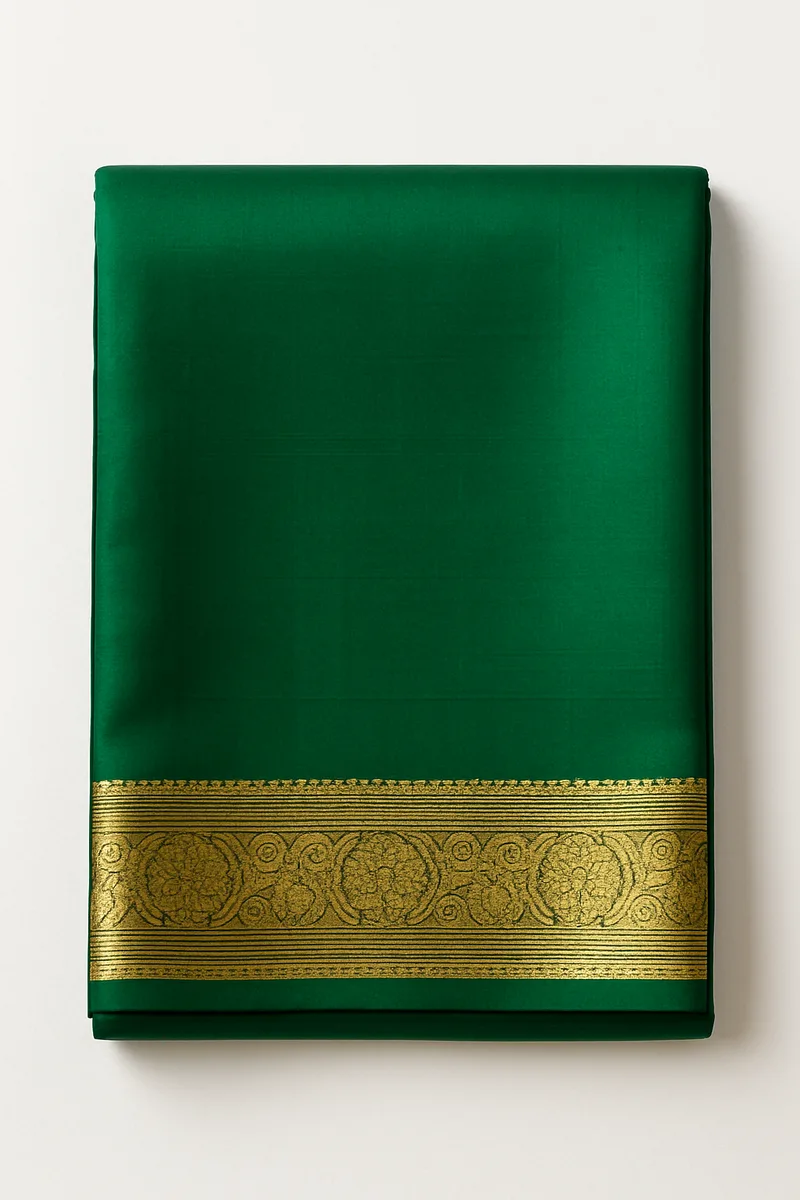
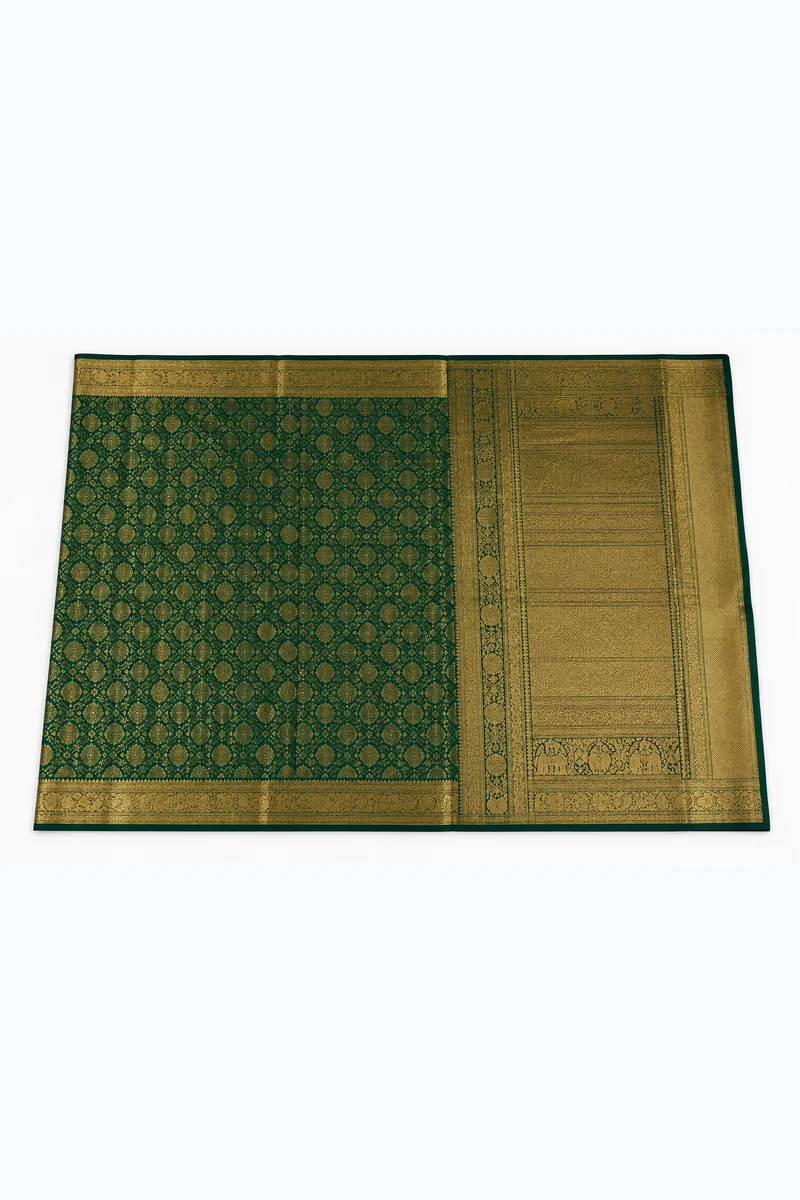
Second saree, same rule: the garment in the photo is the garment on the model.
Sellers use CatalogX images onEtsyAmazonShopifyPoshmarkInstagram
Built For Diaspora Sellers
Selling sarees in the US or UK is a photography problem
If you run an Etsy shop from New Jersey, an Instagram boutique in Houston, or a wholesale ethnic wear business in Toronto or London, you already know the gap: your inventory photos come from suppliers in Surat or Varanasi — flat-lays, mannequin drapes, or someone else's model shots that every other reseller is also using. Booking a US photoshoot means finding a model who can actually drape a saree, a photographer who knows what a pallu is, and $300+ per session before retouching. So most listings go up with folded fabric on a table, and buyers scroll past because they can't picture the drape.
CatalogX closes that gap. It's an AI virtual try-on tool purpose-built for South Asian garments — 14+ garment types including sarees, lehengas, kurtis and salwar kameez — that turns the supplier photo you already have into an on-model catalog photo you actually own. Same-day listings for new stock, one consistent model across your whole shop, and marketplace-ready resolution for Etsy, Amazon and Poshmark.
How It Works
A saree photoshoot without a model, in three steps
From the photo on your phone to a listing-ready model shot in about 30 seconds.
Upload the saree photo
A flat-lay, hanger shot, mannequin drape or your supplier's catalog image — anything that shows the body of the saree, the border and the pallu end. Pins, tags and packaging are removed automatically.
Pick a model & scene
40+ models across skin tones and body types, 50+ backgrounds — pure studio white for Amazon MAIN images, warm lifestyle scenes for Etsy and Instagram. Reuse the same model for every listing.
Download & list
Photorealistic on-model photos with the drape, blouse and hem rendered correctly. No watermarks, full commercial rights on every plan, 4K output on Business and above.
The saree breaks generic try-on tools. It's what CatalogX is built for.
A saree isn't a dress: it's six to nine yards of unstitched fabric whose final shape exists only in the drape. General-purpose AI try-on was trained on stitched Western garments, and it shows. These are the five failure modes US sellers hit — and how CatalogX handles each.
Failure 1: Pallu thrown over the wrong shoulder
Generic models have no concept of a pallu, so it lands wherever the diffusion process guesses — sometimes the right shoulder, sometimes vanishing into the back, sometimes duplicated on both. CatalogX drapes in the standard nivi style by construction: pleats tucked at the left waist, pallu cast over the left shoulder, its zari end-piece displayed — the way your buyer will actually wear it.
Failure 2: Pleats merged into a smooth skirt
The front pleats are the hardest detail: five to seven crisp, even folds fanning from the waist tuck. Generic AI averages them into a single smooth panel, which instantly reads as "fake photo" to anyone who has ever worn a saree. CatalogX renders countable pleats with the fabric's actual pattern continuing across each fold, and lets the fabric decide how sharp those folds are — knife-edged in silk, soft in georgette.
Failure 3: The border breaks or teleports
A saree's border must run one continuous path — along the hem, up the pleats, across the body and out along the pallu. Generic tools treat it as surface texture: it appears on the hem, disappears mid-drape, and reappears somewhere on the shoulder at a different width. CatalogX tracks border continuity through the whole drape, so a Banarasi's zari border reads as one woven line from hem to pallu, exactly as the loom made it.
Failure 4: Blouse invented or absorbed
The saree is worn over a fitted blouse and petticoat, but generic AI doesn't know they're separate garments — it hallucinates a random crop top, changes the blouse color, or merges saree and blouse into one impossible dress. CatalogX renders the blouse as its own garment with a sensible neckline and sleeves, keeps it visually distinct from the drape, and never lets the petticoat layer show through the pleats.
Failure 5: Hem drift
A draped saree falls to the ankle — high enough to walk, low enough to cover the petticoat. Generic try-on drifts the hem to mid-calf or pools it on the floor like a gown, misrepresenting the garment's length to the buyer. CatalogX measures garment length from your photo and anchors the hem in inches, so the drape ends where a real drape would — a fidelity check we run on every generation.
→
All five checks in one output: left-shoulder pallu, countable pleats, unbroken border, distinct blouse, ankle-anchored hem.
Every Weave Drapes Differently
Silk sarees vs georgette & chiffon: fabric-aware rendering
The same drape rules produce very different silhouettes depending on the weave — and buyers can tell when a tool gets that wrong.
Structured silk drape: body in the pleats, pallu holding its shape.Pallu end-piece displayed — the detail that sells a handloom saree.Lighter weave, softer folds — the drape follows the fabric.
A Kanjeevaram or Banarasi silk is heavy, densely woven and often stiff with zari. On a body it holds architecture: pleats stand in crisp knife folds, the pallu falls in a broad structured panel that displays the woven end-piece, and the border sits proud of the drape. CatalogX reads that weight from your photo and renders silk the way silk behaves — sharp fold lines, a pallu with body, zari catching the light without smearing into gold noise.
A georgette or chiffon saree is the opposite job. The fabric is translucent and fluid, so the drape clings closer to the frame, pleats fall in soft narrow folds rather than crisp fans, and the pallu trails instead of standing. Printed georgettes add a second test — the print must flow continuously through folds without stretching or doubling. CatalogX renders the cling and the fall without inventing sheerness that isn't in your photo, and keeps prints registered across every fold.
The result: your Banarasi listing looks like a Banarasi and your daily-wear chiffon looks like chiffon — not the same generic drape with two different textures pasted on. For deeper photography guidance per weave, see our saree photography guide.
The Honest Comparison
US photoshoot vs generic AI vs CatalogX
Three ways to get a saree on a model. Each is right for someone — here's the trade.
US studio photoshoot
Generic AI try-on
CatalogX
Cost
$300+ per session; roughly $50–150 per finished image
Free–$50+/mo
Free 5 credits; plans $9.99–$49.99/mo
Saree accuracy
Excellent — if your model and photographer know saree draping (rare outside major diaspora hubs)
Purpose-built: nivi drape, countable pleats, border continuity, inches-anchored hem
Turnaround
Days to weeks: booking, shoot day, retouching
Minutes
~30 seconds per image
Consistency across catalog
Only within one shoot; the next session means a new model and new light
Model and lighting drift between generations
Same model, same scene, every listing
Best for
Brand campaigns and lookbooks where you art-direct every frame
Stitched Western garments — tees, dresses, denim
Sarees, lehengas, kurtis and mixed ethnic wear catalogs
To be fair to the alternatives: a great studio shoot is still the ceiling for a hero campaign image, and generic AI tools are genuinely good at the Western garments they were trained on. The gap is specifically the saree — and that's the gap this tool exists to close. Full cost math in our AI vs studio photoshoot cost breakdown.
Etsy requires that photos accurately represent the item you ship, and it asks sellers to disclose AI use where its policies require it. AI model photos are acceptable when the garment shown is the real garment the buyer receives. CatalogX reproduces your actual saree — weave, border, zari and colorway — on the model, which is exactly the kind of accurate representation the policy is about. When in doubt, note in your listing that the model image is an AI visualization of the real saree, and include your original flat photo in the gallery.
No. CatalogX is built to preserve the garment pixel-for-pixel where it matters: the border runs unbroken along the drape, zari motifs stay where the weaver put them, and the pallu shows your saree's actual design. Nothing is invented that your photo doesn't show.
Yes, and it renders them differently on purpose. A Kanjeevaram or Banarasi silk holds structured, crisp pleats and a pallu with body; georgette and chiffon fall in soft, fluid folds that cling closer to the frame. CatalogX reads the fabric from your photo and drapes accordingly rather than applying one generic drape to everything.
Either works. A flat-lay or hanger shot showing the body of the saree, the border and the pallu end gives the AI everything it needs. A mannequin drape also works well. Supplier catalog photos are fine too — pins, tags and packaging are removed automatically.
A US studio photoshoot runs $300+ per session, or roughly $50–150 per finished image once you account for the model, studio and retouching. CatalogX starts free with 5 credits and no card; paid plans run $9.99–$49.99 per month. A single generation takes about 30 seconds.
Yes. Pick one model and one scene and reuse them across every listing, so your Etsy shop or Instagram grid reads like one coherent brand instead of a patchwork of borrowed supplier photos.
Yes. Etsy recommends 2000px on the shortest side and allows up to 20 photos per listing; CatalogX exports high-resolution images that stay sharp at zoom, with 4K output on Business and above. For Amazon US, adult apparel MAIN images must show the product on a standing human model on a pure white background at 1600px+ — CatalogX generates exactly that from a flat photo.
Yes. You own all outputs on every plan, including the free tier. There are no watermarks, and commercial use — Etsy listings, Amazon, your own Shopify store, Instagram ads, wholesale line sheets — is included.
Your next saree listing, on a model today
Upload the supplier photo you already have. In 30 seconds, see the pallu, pleats and border rendered the way your buyer will wear them.
 →
→
 →
→