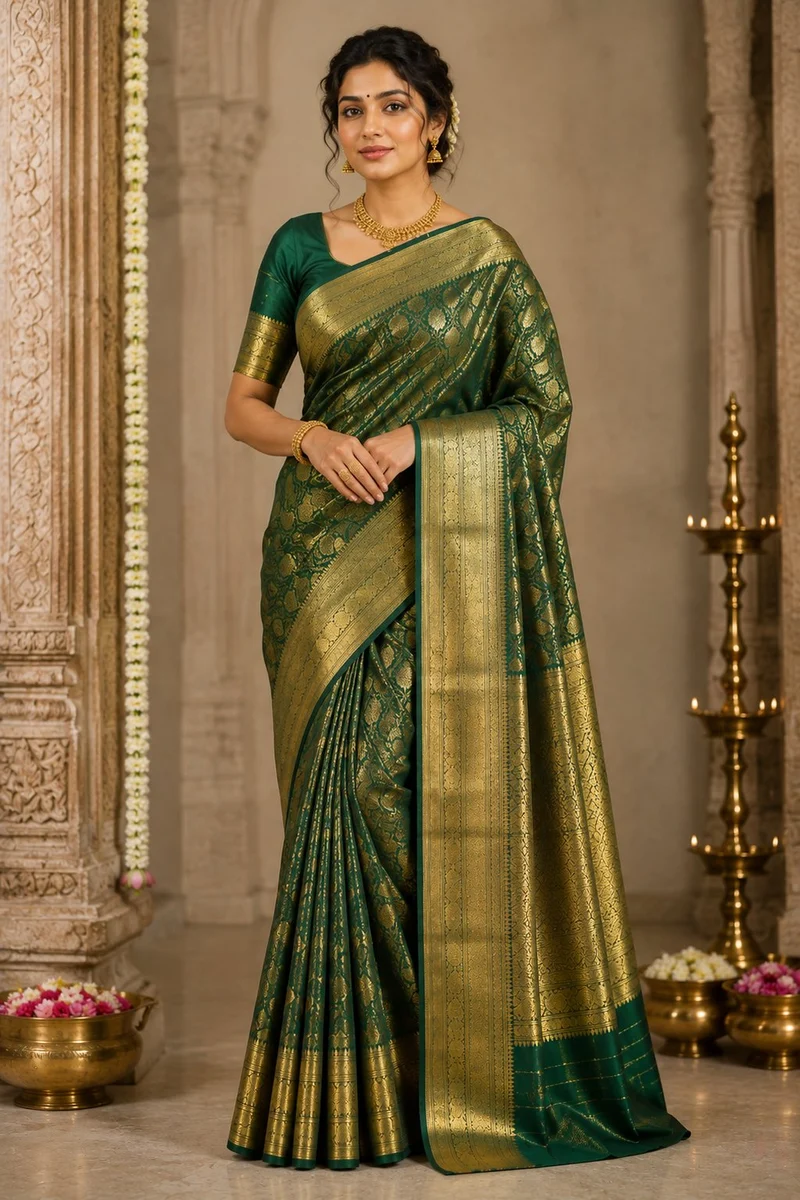
Fashion e-commerce is in the middle of a transformation driven by AI. What started as experimental tools is now mainstream — brands of all sizes are integrating AI into their product photography, customer experience, and operations. Here are the five most significant shifts happening right now.
1. AI-Generated Product Photography
This is the most visible change. Brands are replacing traditional photoshoots with AI-generated product images — and the quality has reached the point where customers can't tell the difference.
The impact goes beyond cost savings:
- Speed to market: New products can have listing images within hours of production, not weeks of photoshoot coordination.
- A/B testing: Generate the same product with different models, poses, and backgrounds — then test which converts better. Traditional photography makes this prohibitively expensive.
- Catalog consistency: Every product uses the same model, lighting, and aesthetic. No more mismatched images from different photoshoot sessions.
2. Personalized Virtual Try-On for Shoppers
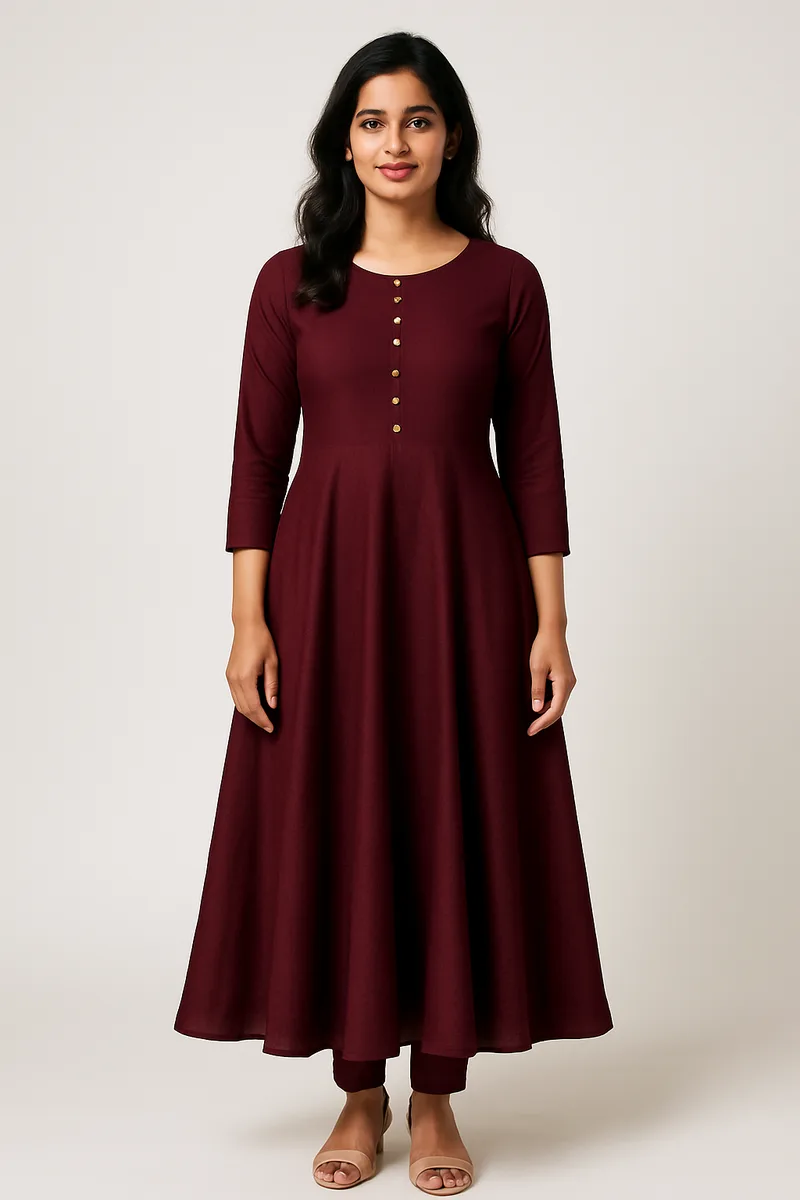
Customer-facing virtual try-on — where shoppers upload their own photo to see how a garment looks on them — is moving from novelty to expectation. The technology powering this is the same as what brands use for product photography, but deployed on the consumer side.
The conversion impact is substantial:
- Brands offering virtual try-on see 20-30% higher conversion rates on enabled products.
- Return rates drop by 25-35% because customers have better expectations about fit and appearance.
- Average session time increases, which signals higher engagement and purchase intent.
Upload your garment and get a studio-quality AI mockup in 30 seconds. 5 free credits, no card needed.
Try Free Now →
3. AI-Powered Size and Fit Recommendations
Size uncertainty is the single largest driver of fashion returns — and returns are an enormous cost center for e-commerce brands. AI is addressing this through:
- Body measurement from photos: Customers upload a photo and AI estimates their body measurements, then maps those to the brand's size chart.
- Fit prediction models: Machine learning models trained on return data predict which size a customer should order based on their purchase history and body type.
- Cross-brand size mapping: "You wear M in Zara, so you'd be L in this brand" — powered by analysis of garment measurements across brands.
4. Automated Listing Optimization
AI is automating the grunt work of e-commerce operations:
- Product descriptions: AI generates SEO-optimized product descriptions from garment images and basic attributes — saving hours of copywriting per catalog.
- Tag and category assignment: Computer vision automatically identifies garment type, color, pattern, sleeve length, neckline, and other attributes for marketplace listing compliance.
- Image quality scoring: AI evaluates product images against marketplace guidelines (background, resolution, crop) before submission — reducing rejection rates.
For brands managing hundreds or thousands of SKUs, these automations translate to significant operational savings.
5. Trend Forecasting and Design Assistance
The most forward-looking application: AI analyzing fashion trends across social media, runways, and purchase data to predict what will sell.
- Color and pattern trends: AI tracks which colors, prints, and silhouettes are trending in specific markets and demographics.
- Design iteration: Generative AI helps designers create variations of popular styles — speeding up the design-to-production pipeline.
- Demand prediction: Models predict which styles will see high demand, helping brands plan production quantities and reduce overstock.
What This Means for Fashion Brands
The AI adoption curve in fashion e-commerce is steep. Brands that integrate these tools now — especially AI product photography, which has the lowest barrier to entry and highest immediate ROI — will build competitive advantages that compound over time.
The ones that wait will find themselves producing content slower, spending more on operations, and competing against brands that have already optimized every touchpoint with AI.
The good news: you don't need to implement all five at once. Start with the one that addresses your biggest pain point (for most brands, that's product photography), prove the ROI, and expand from there.
Related Articles
- AI Virtual Try-On: How It Works and Why Brands Are Switching
- AI Mockups for D2C Brands: From Instagram Ads to Marketplace Listings
- Best AI Product Photo Generators for Fashion Sellers (2026 Comparison)
Frequently Asked Questions
AI is transforming fashion e-commerce through five key areas: AI-generated product photography that eliminates expensive photoshoots, personalized styling recommendations that increase conversion, virtual try-on technology that reduces returns, automated catalog management at scale, and AI-powered demand forecasting for inventory optimization.
AI can replace traditional product photography for most e-commerce use cases. Tools like CatalogX generate photorealistic model-on shots from flat-lay garment photos in under a minute. The output meets marketplace specifications for Amazon, Etsy, Shopify, Flipkart and Myntra. Most brands use AI for 80% of catalog images and reserve traditional photography for hero products.
AI virtual try-on takes a photo of a garment and generates a realistic image of a model wearing it. Unlike Photoshop compositing, AI understands how different fabrics drape, how light interacts with materials, and how garments fit on bodies. The technology is used by fashion brands to create product listing images without booking studios or models.
AI reduces return rates by showing customers more accurate representations of how garments look when worn. Virtual try-on images display realistic draping, fit, and color. AI-powered size recommendation tools analyze body measurements against garment specs. Together these technologies help customers make better purchase decisions, reducing returns by 15-30%.
Yes, major Indian marketplaces including Myntra, Amazon, Etsy, Shopify, Flipkart and Meesho accept AI-generated product images as long as they meet the platform's technical specifications for resolution, background color, aspect ratio, and image quality. The images must be photorealistic and accurately represent the actual product being sold.