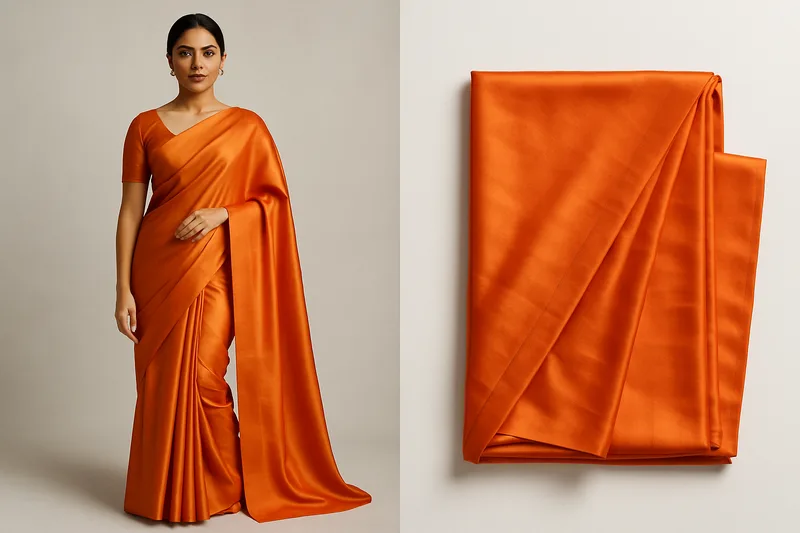
Photoroom is a genuinely good generic photo editor used by millions of sellers worldwide. CatalogX does one thing instead: fashion catalog photography for Indian e-commerce — saree, kurti, and lehenga try-on, Indian AI models, native Flipkart/Myntra/Meesho export, and pricing in rupees.
Photoroom is built for every product category in every market. CatalogX is built for one: fashion sellers on Indian marketplaces.
Sarees drape with pleats and a pallu. Lehengas flare. Kurtis fall straight. CatalogX's try-on AI has garment-specific handling for Indian ethnic wear — Photoroom's AI Fashion Models are built around generic Western apparel.
Pick Indian models your customers relate to, control the pose and angle per shot, and keep the same model face consistent across your whole catalog. Photoroom generates a model but gives you far less control over who and how.
One-click presets sized and formatted for Flipkart, Myntra, Meesho, Ajio, and Amazon.in — dimensions, background, and framing rules built in. Photoroom offers generic resize; you look up each marketplace's specs yourself.
Photoroom Pro runs $10–35/month (roughly ₹850–3,000) on subscription. CatalogX credit packs start at ₹299 one-time — no subscription, no forex markup, priced for Indian seller margins.
Built for the "50 new SKUs before the sale" reality: bulk generation with consistent model, lighting, and background across an entire drop, not one-image-at-a-time editing.
Background removal, AI shadows, and ghost mannequin are table stakes — both tools do them well, and CatalogX offers them free. The difference is everything that happens after the background is gone.
An honest comparison for the specific job of fashion catalog photography for Indian marketplaces.
| Feature | CatalogX | Photoroom |
|---|---|---|
| AI on-model try-on | ✓ Your actual garment | ✓ AI Fashion Models |
| Indian ethnic wear (saree, kurti, lehenga) | ✓ Garment-specific AI | ✗ Generic apparel only |
| Indian AI model library | ✓ | ✗ Generic/global models |
| Pose & angle control | ✓ Full control | ✗ Limited |
| Consistent model face across catalog | ✓ Face preservation | ✗ |
| Flipkart / Myntra / Meesho / Ajio export presets | ✓ Native, one click | ✗ Generic resize |
| Background removal | ✓ Free | ✓ Free |
| AI shadows | ✓ | ✓ |
| Ghost mannequin | ✓ | ✓ |
| Pricing model | ✓ ₹299 one-time packs | ✗ $10–35/mo subscription |
| Cost per image (typical) | ✓ ₹10–50 | ✗ 5–10x higher for Indian sellers |
| Native mobile apps (iOS/Android) | ✗ Web app | ✓ Polished apps |
| Breadth of editing tools | ✗ Fashion-focused | ✓ Large general toolset |
| Public API maturity | ✗ Early | ✓ Mature API |
| Non-fashion products (food, electronics, cosmetics) | ✗ | ✓ Any category |
| Free tier | ✓ 5 credits, no card | ✓ With watermarks/limits |
Credit where it's due: Photoroom is one of the best general-purpose product photo tools in the world. Its background removal is fast and clean, its iOS and Android apps are polished enough that many sellers do their entire workflow on a phone, its template system produces attractive backgrounds for any product category — food, cosmetics, electronics, furniture — and its public API is mature enough that platforms build on it. If you sell across many categories, or you edit on mobile, or you need an API today, Photoroom is a strong, safe choice, and this page will not pretend otherwise.
The question for a fashion seller on Indian marketplaces is narrower: which tool produces better on-model catalog images of your garments, for your customers, at a price that works on your margins? That is where a specialist beats a generalist.
Photoroom's AI Fashion Models feature generates a model wearing your garment — a real capability, and for a plain t-shirt or hoodie it does a reasonable job. But its models and garment handling are generic and global. It has no concept of how a saree is draped — the pleats at the waist, the pallu over the shoulder — or how a lehenga's flare should hold its volume, or how a kurti falls differently from a dress. It also gives you limited say over who the model is and how they stand.
CatalogX was built the other way around: starting from Indian garment categories and working backwards. The try-on AI has garment-specific pipelines for sarees, kurtis, lehengas, and other ethnic and western wear, so the generated photo respects how each garment is actually worn. You choose from a library that includes Indian models, control the pose and camera angle per shot, and face preservation keeps the same model's face consistent across fifty SKUs — so your storefront looks like one professional photoshoot, not fifty random generations. For a customer browsing Myntra for a kurti, a photo of an Indian model wearing it correctly is not a cosmetic detail; it is what converts.
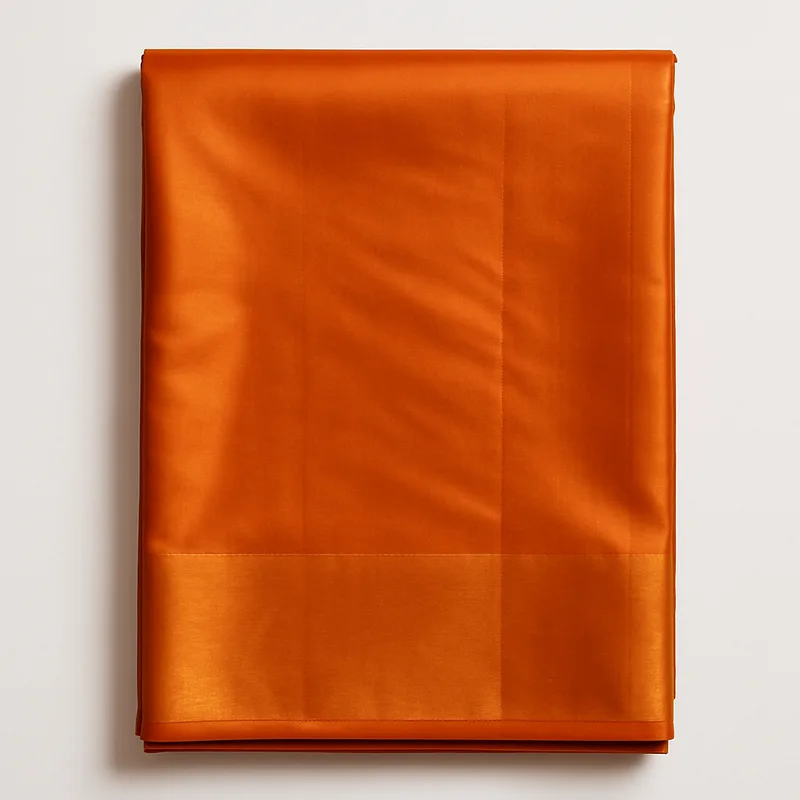
Flipkart, Myntra, Meesho, Ajio, and Amazon.in each enforce their own image dimensions, background rules, and framing before your listing goes live. Photoroom can resize an image to any dimensions — but you are the one looking up each marketplace's current spec and applying it, image by image, platform by platform. CatalogX ships native export presets for Indian marketplaces: pick the platform, and the output comes back sized, framed, and background-compliant for that marketplace's requirements. For a seller listing on three or four platforms at once, this is the difference between an evening of resizing and a single click.
Photoroom Pro costs roughly $10–35 per month depending on plan and billing — about ₹850–3,000 monthly, charged as a recurring subscription in dollars. That is fine for a Western brand; it is a heavy fixed cost for a Meesho or Flipkart seller working on thin per-order margins. CatalogX prices in rupees with one-time credit packs starting at ₹299 — typically 5–10x cheaper — and you buy credits when you have new stock rather than paying every month whether you list or not. Both tools offer free background removal, shadows, and ghost mannequin, so you are never paying for the basics either way.
If you sell many product categories, live in the Photoroom mobile app, or need a mature API, use Photoroom — it is excellent at being a generalist. If you are a fashion seller listing on Indian marketplaces, CatalogX will produce better on-model images of Indian garments, with more control, exported correctly for each platform, at a fraction of the cost. Try both free and compare the output on your own garments; that comparison is the one that matters.
Yes, for fashion e-commerce specifically. Photoroom is an excellent general-purpose product photo editor used worldwide. CatalogX focuses on one job: fashion catalog photography for Indian marketplaces — with AI try-on that understands sarees, kurtis, and lehengas, Indian AI models, native Flipkart, Myntra, Meesho, and Ajio export presets, and INR pricing starting at ₹299.
Photoroom's AI Fashion Models feature is built around generic Western apparel and does not offer garment-specific handling for Indian ethnic wear. CatalogX has dedicated AI pipelines for sarees (drape, pleats, pallu), kurtis, lehengas, and other Indian garments, with pose control and face preservation across a catalog.
Photoroom Pro costs roughly $10-35 per month (about ₹850-3,000) as a subscription. CatalogX uses one-time credit packs in INR starting at ₹299, which typically works out 5-10x cheaper for Indian sellers — with 5 free generations to start and no credit card required.
Photoroom has polished iOS and Android apps, a broader set of general editing tools, a mature public API, and template-based instant backgrounds for any product category — food, cosmetics, electronics, furniture. If you sell non-fashion products or edit primarily on your phone, Photoroom is a strong choice. CatalogX is the better fit specifically for fashion catalogs aimed at Indian marketplaces.
Yes. Every new CatalogX account gets 5 free image generations with no credit card required. Free tools like background removal are available without an account. Paid credit packs start at ₹299 one-time.
Upload a saree, kurti, or lehenga and get a marketplace-ready on-model photo in 30 seconds. 5 free credits, no card required.